
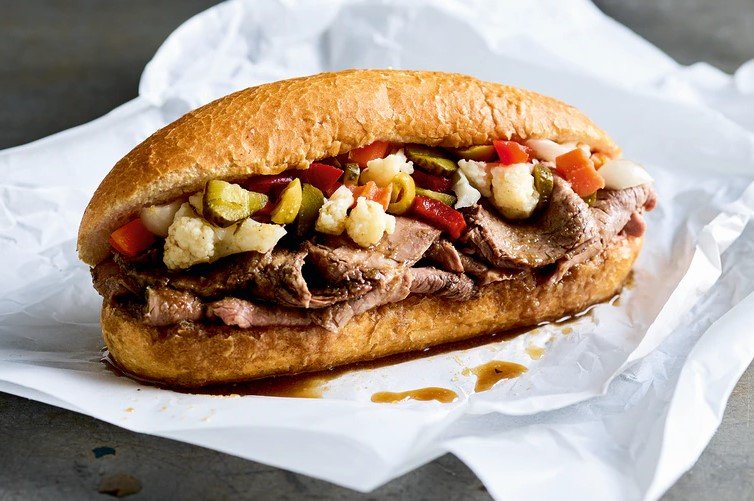
An Italian beef sandwich is one of those meals that turns simple ingredients into something incredibly satisfying. Thinly sliced beef is slowly cooked or roasted with Italian-inspired seasonings, then piled high on a crusty roll and finished with flavorful cooking juices, sweet peppers, or spicy giardiniera. The result is tender beef, rich savory flavor, and a sandwich that is perfect for a hearty lunch, dinner, game day, or casual gathering.
This Italian beef sandwich recipe focuses on the elements that make the sandwich special: tender beef, a deeply seasoned au jus, crisp bread, and flavorful toppings. You do not need complicated techniques or hard-to-find ingredients to make an excellent version at home. With the right cut of beef, proper seasoning, and enough cooking time, you can create a sandwich that is juicy and full of Italian-inspired flavor.
Whether you have enjoyed Italian beef sandwiches in Chicago or are simply looking for a delicious homemade beef sandwich, this recipe gives you a practical method that works in a home kitchen. You can also adjust the spice level, toppings, and cooking method to suit your preferences.
What Is an Italian Beef Sandwich?
An Italian beef sandwich is a popular American sandwich made with thinly sliced roast beef served on a long, sturdy Italian-style roll. The beef is usually seasoned with garlic, herbs, and other spices before being cooked until tender. The meat is then served with some of its flavorful cooking liquid, often called au jus.
One of the defining characteristics of an Italian beef sandwich is the combination of tender beef and savory juices. Unlike a dry roast beef sandwich, the bread and meat are often moistened with the flavorful broth. This creates a rich texture and makes every bite more flavorful.
Common toppings include sweet peppers and giardiniera. Sweet peppers provide a mild, slightly sweet contrast to the seasoned beef, while giardiniera adds acidity, crunch, and heat.
The sandwich can be made mild or spicy depending on the toppings and seasoning used. Some people prefer a generous amount of hot giardiniera, while others keep the sandwich simple with sweet peppers and au jus.
Why This Italian Beef Sandwich Recipe Works
A great Italian beef sandwich depends on more than simply cooking beef and putting it inside bread. Several small details make a major difference.
First, the beef needs to remain tender. A flavorful roast that becomes dry or tough will not produce the texture you want. Cooking the meat with flavorful liquid helps maintain moisture while allowing the seasonings to penetrate the beef.
Second, the seasoning needs to complement rather than overpower the meat. Garlic, oregano, basil, black pepper, and other Italian-inspired seasonings create a savory flavor profile without hiding the natural taste of the beef.
The bread also matters. A sturdy Italian roll can hold the juicy beef and toppings without immediately falling apart.
Finally, the cooking juices should be treated as part of the recipe rather than an afterthought. The au jus adds moisture and richness and is one of the characteristics that makes this sandwich different from an ordinary roast beef sandwich.
Ingredients for an Italian Beef Sandwich
The ingredient list is relatively simple, but each ingredient contributes something important to the final sandwich.
Beef Roast
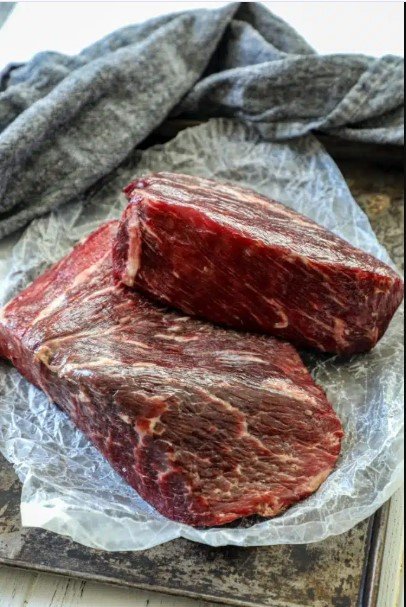
A beef roast is the foundation of the recipe. Sirloin tip roast, top round, or another lean roasting cut can work well.
Choose a roast that is relatively uniform in shape so it cooks evenly. The beef should have enough structure to be sliced thinly after cooking without falling apart completely.
Olive Oil
Olive oil helps brown the beef and carries the flavor of the herbs and spices.
A small amount is enough for searing the roast.

Garlic
Fresh garlic adds a deep savory flavor to the beef and cooking liquid. You can use minced garlic or finely chopped fresh garlic.
For a stronger garlic flavor, add some garlic to the cooking liquid as well as the seasoning rub.
Dried Oregano
Oregano provides a classic Italian-inspired herbal flavor. It works especially well with beef, garlic, and peppers.
Dried Basil
Basil adds another layer of herbal flavor. A modest amount is usually enough because dried herbs become more noticeable as they cook.
Black Pepper
Freshly ground black pepper adds warmth and mild spice. It also balances the richness of the beef.
Salt
Salt is essential because it brings out the flavor of both the beef and the cooking liquid. Season the roast evenly rather than concentrating the salt in one area.
Beef Broth
Beef broth forms the base of the au jus. Use a flavorful broth because the liquid becomes part of the finished sandwich.
Onion
Onion adds sweetness and savory depth to the cooking liquid. It also complements the beef and Italian seasoning.
Italian Rolls
Choose rolls that are sturdy enough to hold juicy meat. Soft sandwich bread is generally not ideal because it can become soggy quickly.
Sweet Peppers
Sweet peppers add color, texture, and mild sweetness. They are especially good when cooked until tender but still retain some texture.
Giardiniera
Giardiniera is a mixture of pickled vegetables that can range from mild to very spicy. It adds acidity, crunch, and heat.
If you do not enjoy spicy food, choose a mild giardiniera or use a smaller amount.
How to Make Italian Beef Sandwiches
Start by patting the beef roast dry with paper towels. Removing excess surface moisture helps the meat brown more effectively.
Season the roast generously with salt, black pepper, oregano, basil, and garlic. Letting the seasoned beef rest briefly before cooking can help the seasoning adhere to the surface.
Heat olive oil in a large oven-safe pot or Dutch oven over medium-high heat. Place the seasoned beef into the hot oil and brown it on multiple sides. The purpose of searing is to develop a flavorful browned exterior. You do not need to cook the beef through at this stage.
Once the roast is browned, transfer it temporarily to a plate. Add chopped onion and garlic to the same pot and cook them briefly until fragrant.
Pour in the beef broth and scrape the bottom of the pot with a wooden spoon. Those browned bits contain concentrated flavor and can become part of the au jus.
Add the remaining herbs and seasonings, then return the beef to the pot. Cover the pot and place it in a preheated oven.
Cook the beef until it becomes tender. The exact cooking time depends on the size and shape of the roast, the oven temperature, and your preferred final texture.
Avoid relying only on cooking time. Check the beef as it cooks and use a meat thermometer when appropriate.
Once the beef is cooked, remove it from the cooking liquid and allow it to rest. Resting gives the juices time to redistribute throughout the meat.
While the beef rests, prepare the rolls and toppings. Slice the sweet peppers into strips and cook them in a skillet with a small amount of olive oil until tender but still slightly crisp.
Cut the Italian rolls lengthwise without completely separating them. Warm them briefly in the oven so the exterior becomes lightly crisp while the inside remains soft.
Use a sharp carving knife to slice the rested beef as thinly as practical. Cutting against the grain can make the beef easier to chew.
Pile the thinly sliced beef onto each roll. Add sweet peppers and giardiniera according to your preference.
Spoon some of the hot au jus over the meat or serve it on the side for dipping. For a particularly juicy sandwich, the assembled sandwich can be dipped briefly into the cooking juices before serving.
How to Make the Beef Tender
Tender beef is essential for a good Italian beef sandwich.
One of the most important factors is choosing an appropriate cut. Lean roasting cuts can work well when prepared correctly, but they should not be aggressively overcooked.
Cooking temperature also matters. A moderate oven and moist cooking environment can help prevent the exterior from drying out before the interior is ready.
Another important factor is slicing. Even properly cooked beef can seem tough if it is sliced too thickly or in the wrong direction.
Always look at the grain of the meat. The grain refers to the direction in which the muscle fibers run. Slicing across those fibers creates shorter pieces that are easier to chew.
The Secret to Flavorful Italian Beef Au Jus
The au jus is one of the most important components of an Italian beef sandwich.
The cooking liquid should taste savory, aromatic, and rich without being overwhelmingly salty.
Start with good-quality beef broth. Add the juices produced during cooking, along with garlic, onion, oregano, basil, and black pepper.
The browned bits left in the pot after searing the beef are particularly valuable. Deglazing the pot with broth loosens these flavorful pieces and incorporates them into the liquid.
If the au jus tastes too strong, add a little more broth. If it tastes flat, it may need additional seasoning.
Remember that the beef and toppings will also contribute flavor, so the au jus should complement the sandwich rather than overpower it.
How to Get Thinly Sliced Italian Beef
Thin slices give an Italian beef sandwich its characteristic texture.
A sharp knife is essential. A dull knife can tear the beef rather than producing clean slices.
Allow the beef to rest before slicing. If you want exceptionally thin slices, you can also chill the cooked roast before slicing. Slightly chilled beef is often easier to cut into very thin pieces.
An electric slicer can produce extremely thin slices, but it is not necessary for making a delicious homemade sandwich.
Try to maintain consistent slices so each bite has a similar texture.
Sweet Peppers vs. Giardiniera
Both toppings are popular choices, but they provide very different flavors.
Sweet peppers are mild, soft, and slightly sweet. They work well for people who want a balanced sandwich without much heat.
Giardiniera contains pickled vegetables and can have a noticeable spicy kick. The acidity helps cut through the richness of the beef.
You do not have to choose only one. Using both creates a combination of sweetness, acidity, crunch, and heat.
If you are serving a group, consider placing the toppings in separate bowls so everyone can customize their sandwich.
How Spicy Should an Italian Beef Sandwich Be?
There is no single required spice level.
The beef itself does not need to be extremely spicy. Much of the heat can come from the giardiniera.
For a mild sandwich, use sweet peppers and a mild giardiniera.
For moderate heat, use a standard spicy giardiniera.
For a very spicy sandwich, increase the amount of hot giardiniera and choose a variety with more chili peppers.
It is usually easier to add heat than to remove it, so start conservatively and add more according to taste.
Choosing the Right Bread
Bread plays a bigger role in an Italian beef sandwich than many people realize.
A good roll needs enough structure to support the meat and toppings. It should also have enough softness to make the sandwich comfortable to eat.
Italian rolls, French-style rolls, and other sturdy crusty sandwich rolls can work.
Avoid very thin or delicate bread because the au jus can make it soggy.
At the same time, bread that is excessively hard or crusty can make the sandwich difficult to bite.
The ideal bread provides a sturdy exterior with a soft interior.
How to Keep an Italian Beef Sandwich From Getting Soggy
Because Italian beef is naturally juicy, some moisture is expected.
However, you can control the texture.
Warm the rolls shortly before serving. This gives them enough structure to hold the meat.
Do not leave assembled sandwiches sitting in au jus for an extended period.
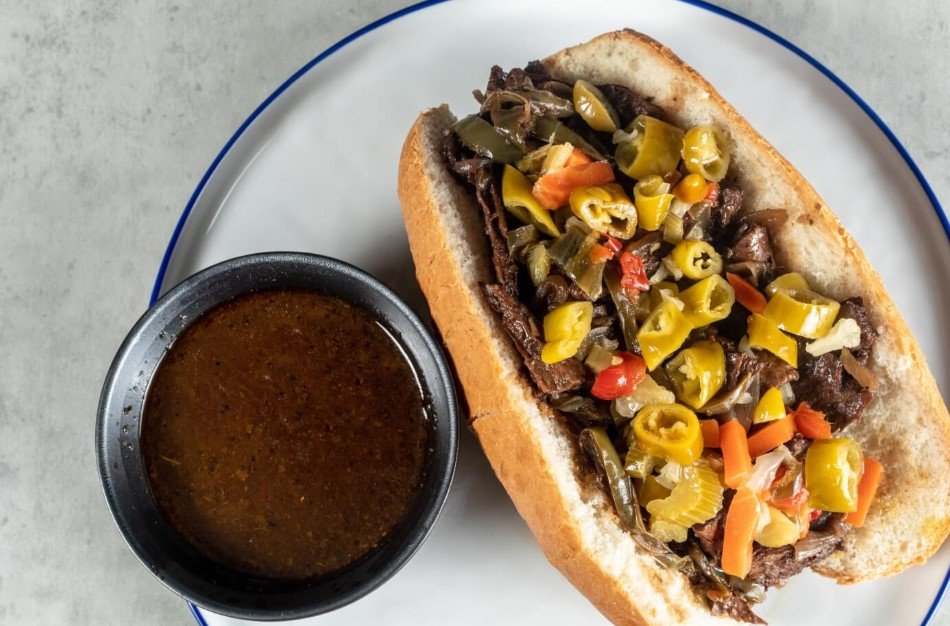
If you prefer more control, serve the au jus in a small bowl alongside the sandwich for dipping.
For an especially juicy version, dip the sandwich quickly just before serving.
The key is finding the balance between a flavorful juicy sandwich and bread that still has enough structure.
Italian Beef Sandwich Topping Ideas
Although sweet peppers and giardiniera are classic choices, you can experiment with additional toppings.
Thinly sliced roasted peppers can provide sweetness and smoky flavor.
Caramelized onions add sweetness and richness.
Pickled peppers provide acidity and heat.
Fresh parsley can add a little freshness.
You can also add a small amount of provolone cheese if you enjoy a cheesy variation. While cheese is not necessary for a traditional Italian beef sandwich, it can create a richer version.
The best toppings depend on the flavor profile you want.
Can You Make Italian Beef in a Slow Cooker?
Yes, a slow cooker can be a convenient option.
Place the seasoned beef into the slow cooker with the broth, onion, garlic, and herbs.
Cook on the appropriate setting until the beef is tender.
The advantage of the slow cooker is convenience. You can prepare the ingredients, start the cooker, and allow the beef to cook gradually.
However, consider searing the beef first. Browning adds another layer of flavor and only takes a few extra minutes.
Once the beef is tender, remove it from the slow cooker, let it rest, and slice it thinly.
Strain or adjust the cooking liquid if necessary before serving it as au jus.
Can You Make Italian Beef Ahead of Time?
Italian beef is an excellent make-ahead meal.
Cook the beef, allow it to cool, and store it with some of the cooking liquid. Refrigerate it properly in an airtight container.
When you are ready to serve, gently reheat the beef in its cooking liquid.
Avoid aggressively boiling the sliced beef because high heat can make it dry or tough.
Preparing the beef ahead of time can also allow the flavors to develop further.
How to Store Leftover Italian Beef
Store leftover beef and cooking liquid separately or together in an airtight container in the refrigerator.
Keeping the meat with some of the au jus helps prevent it from drying out.
When reheating, use gentle heat.
A saucepan over low heat works well. Smaller portions can also be reheated in the microwave using short intervals.
Store the bread and toppings separately so the bread does not become soggy.
Can Italian Beef Be Frozen?
Yes, cooked Italian beef can be frozen.
Allow the beef to cool before transferring it to a freezer-safe container.
Adding some au jus to the beef before freezing can help maintain moisture.
When you want to use it, thaw it safely in the refrigerator and reheat it gently in the cooking liquid.
Freezing individual portions can make future lunches or dinners more convenient.
Common Mistakes When Making Italian Beef
Making Italian beef at home is straightforward, but a few mistakes can affect the final result.
Cutting the beef too thickly can make the sandwich feel more like a traditional roast beef sandwich. Thin slices create the characteristic texture associated with Italian beef.
Skipping the searing stage can also reduce the depth of flavor. Browning the exterior helps create a richer base for the cooking liquid.
Weak broth can result in bland au jus because the broth becomes an important part of the finished sandwich.
Overcooking the beef can make it dry or unpleasantly tough. Follow the cooking method carefully and check the meat rather than relying entirely on the clock.
Using delicate bread can cause the sandwich to fall apart once the au jus is added. A sturdy Italian-style roll is a much better choice.
Adding too much salt is another common issue. Beef broth, giardiniera, and seasoned beef can all contain salt, so taste the cooking liquid before adding more.
Cutting the beef immediately after cooking can also cause unnecessary moisture loss. Resting the roast gives the juices time to redistribute.
Ways to Customize This Italian Beef Sandwich Recipe
One advantage of homemade Italian beef is how easy it is to customize.
For extra garlic flavor, add additional fresh garlic to the cooking liquid.
For more heat, use hot giardiniera or additional chili flakes.
For a sweeter flavor, include more sweet peppers.
For a cheesy variation, add provolone before serving.
For a lighter sandwich, use more peppers and a smaller amount of beef.
For a richer sandwich, use extra au jus and serve it with a dipping bowl.
You can also experiment with different herbs while maintaining the basic Italian-inspired flavor profile.
What to Serve With Italian Beef Sandwiches
Italian beef sandwiches are filling on their own, but they pair well with simple sides.
A crisp green salad can provide freshness and contrast.
Roasted vegetables make a hearty side for dinner.
Potato wedges or fries are another popular choice.
A simple tomato and cucumber salad can also work well, especially when the sandwich is rich and juicy.
For casual gatherings, serve the sandwiches alongside chips, pickles, and a selection of peppers.
Italian Beef Sandwich for a Crowd
This recipe can be especially useful when feeding several people.
Prepare the beef ahead of time and keep it warm in its cooking liquid.
Set out the rolls, beef, sweet peppers, giardiniera, and au jus separately.
This allows guests to customize their sandwiches.
For a party, you can offer mild and spicy toppings separately.
Keeping the components separate also prevents the bread from becoming soggy before everyone is ready to eat.
Frequently Asked Questions
What cut of beef is best for an Italian beef sandwich?
Sirloin tip roast and top round are commonly suitable choices because they can be roasted and sliced thinly. The most important factors are proper cooking and slicing the finished beef thinly against the grain.
What makes an Italian beef sandwich different from roast beef?
The combination of thinly sliced beef, seasoned cooking juices, sturdy bread, and toppings such as sweet peppers or giardiniera gives Italian beef its distinctive character. The sandwich is typically much juicier than an ordinary roast beef sandwich.
Should Italian beef be served wet or dry?
Italian beef can be served with different levels of moisture. Some people prefer the sandwich dipped into the au jus, while others prefer the juices served separately. The choice mainly depends on personal preference.
What is giardiniera used for in Italian beef?
Giardiniera adds acidity, crunch, and spice. Its pickled vegetables provide a contrast to the rich beef and savory au jus.
Can I make Italian beef without giardiniera?
Yes. You can use sweet peppers, roasted peppers, pickled peppers, or simply serve the beef with au jus. Giardiniera is a popular topping but is not required.
Can I make Italian beef in a slow cooker?
Yes. A slow cooker can be used to cook the beef slowly with broth, garlic, onions, and herbs. Searing the beef before slow cooking can add additional flavor.
How do I make Italian beef less spicy?
Use sweet peppers instead of hot peppers and choose a mild giardiniera or leave it out completely.
Why is my Italian beef tough?
The beef may have been overcooked, sliced too thickly, or sliced with the grain. Allowing the meat to rest and slicing it thinly against the grain can significantly improve its texture.
Can I freeze leftover Italian beef?
Yes. Freeze the cooked beef with some of its cooking liquid in an airtight freezer-safe container. Thaw it safely in the refrigerator and reheat it gently.
What bread is best for an Italian beef sandwich?
A sturdy Italian roll is an excellent choice. The bread should be strong enough to hold the juicy beef and toppings while remaining soft enough to bite comfortably.
Tips for the Best Italian Beef Sandwich Recipe
Use a flavorful beef roast and season it evenly.
Brown the beef before slow cooking or roasting when possible.
Build the au jus from beef broth, garlic, onions, herbs, and the flavorful browned bits left in the cooking pot.
Cook the beef until tender without unnecessarily overcooking it.
Allow the roast to rest before slicing.
Use a sharp knife and slice the beef thinly against the grain.
Choose sturdy Italian-style rolls.
Add sweet peppers for mild sweetness and giardiniera for acidity and heat.
Serve the sandwich with plenty of flavorful au jus.
Most importantly, taste as you go. The broth should be savory and balanced, and the toppings should complement rather than overwhelm the beef.
Final Thoughts
A homemade Italian beef sandwich recipe is a great way to turn a simple beef roast into a satisfying and flavorful meal. The combination of tender thinly sliced beef, seasoned au jus, sturdy Italian bread, sweet peppers, and spicy or mild giardiniera creates a sandwich with plenty of texture and flavor.
The most important parts of the recipe are not complicated. Choose a suitable beef roast, season it well, develop flavor through browning, cook it carefully, and slice it thinly. Then let the toppings and au jus complete the sandwich.
Whether you are preparing dinner for your family, making lunch for the weekend, or serving food at a casual gathering, Italian beef is versatile and easy to customize. Once you understand the basic method, you can adjust the seasoning, toppings, spice level, and cooking technique to create your preferred version.
The best Italian beef sandwich is ultimately the one that balances tender beef, flavorful juices, good bread, and toppings in every bite.