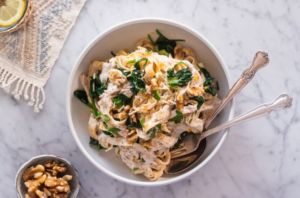
A creamy bowl of pasta is one of those meals that can make an ordinary evening feel a little more special. This alfredo pasta recipe brings together tender pasta, butter, cream, garlic, and Parmesan cheese to create a smooth and comforting sauce that coats every bite.
The beauty of homemade Alfredo pasta is its simplicity. You do not need a complicated list of ingredients or an advanced cooking technique. With a little attention while preparing the sauce, you can make a creamy pasta dinner that tastes fresh and satisfying.
This recipe is also easy to customize. You can keep it classic, add chicken for a heartier meal, or mix in vegetables such as broccoli, mushrooms, or spinach.
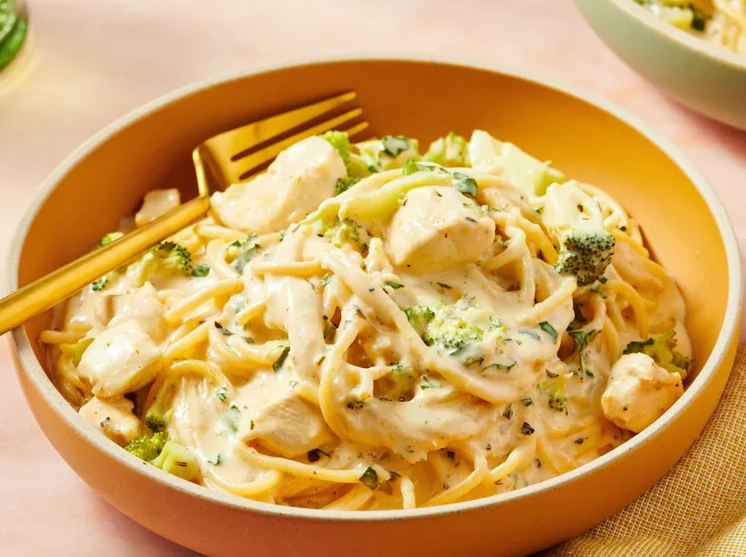
What Is Alfredo Pasta ?
Alfredo pasta is a creamy pasta dish traditionally associated with butter and Parmesan cheese. Modern versions often include cream and garlic, creating the rich sauce that many people know today.
Fettuccine is commonly used because its wide shape holds the creamy sauce beautifully. However, other pasta shapes can work just as well.
The most important part is the sauce. A good Alfredo sauce should be creamy and smooth without becoming overly thick or greasy.
Why Make Alfredo Pasta at Home?
Homemade Alfredo pasta is comforting, flexible, and easy to prepare.
You can control the ingredients and adjust the flavor to suit your taste. If you enjoy a stronger garlic flavor, you can add more garlic. If you prefer a lighter taste, you can keep the seasoning simple.
It is also easy to turn the basic recipe into a complete meal by adding chicken, shrimp, mushrooms, spinach, or broccoli.
Another advantage is that homemade sauce can be prepared fresh instead of relying on a ready-made jar.
Ingredients for Alfredo Pasta
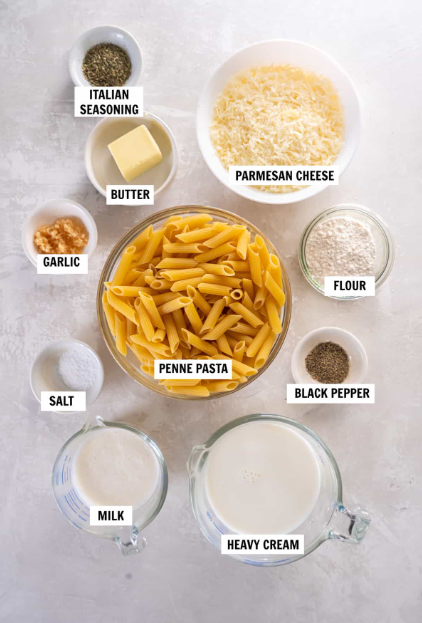
Pasta
Fettuccine is a classic choice for Alfredo pasta. Its wide strands hold onto the creamy sauce and create a satisfying bite.
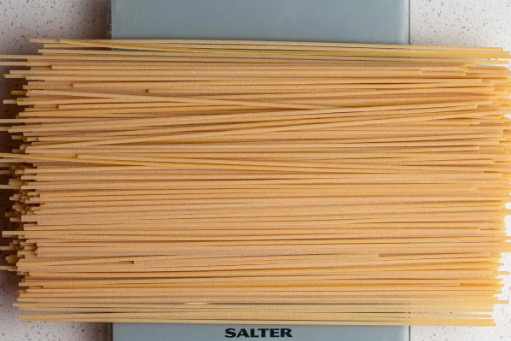
You can also use linguine, spaghetti, penne, or another pasta that you already have in your kitchen.
Butter
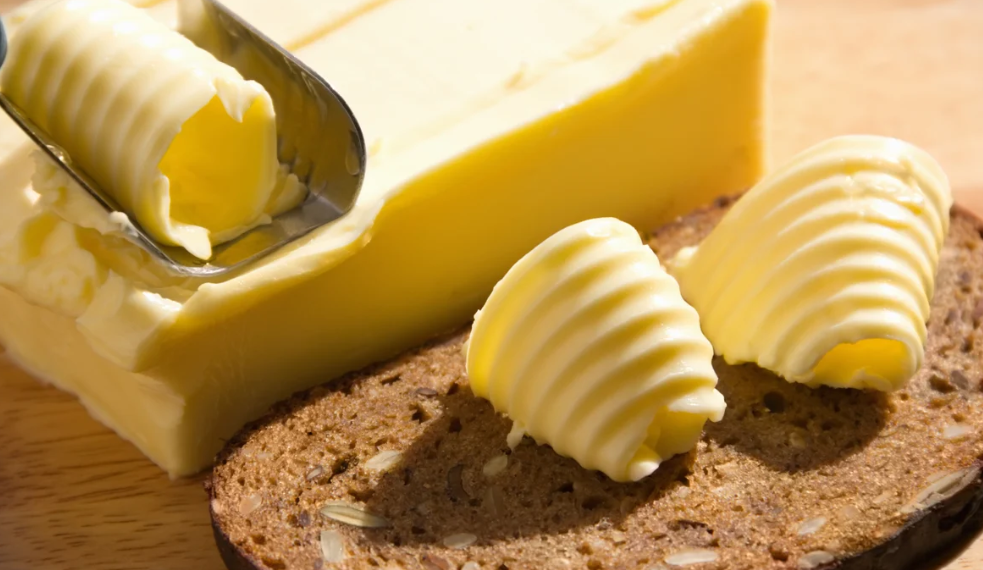
Butter gives the sauce a rich base and adds a smooth flavor that works beautifully with Parmesan cheese.
Garlic
Fresh garlic adds a savory aroma and a gentle flavor to the sauce. If you prefer a mild Alfredo, use garlic sparingly.
Heavy Cream
Heavy cream creates the creamy texture that makes this pasta so comforting. It should be warmed gently while preparing the sauce.
Parmesan Cheese
Freshly grated Parmesan is ideal for Alfredo sauce because it melts into the warm cream and adds a rich cheesy flavor.
Salt
Salt helps bring out the flavor of the pasta and sauce. Add it carefully because Parmesan cheese already has a naturally salty taste.
Black Pepper
Freshly ground black pepper adds a little warmth and balances the richness of the creamy sauce.
Pasta Water
Keep some of the water used to cook the pasta. It can help loosen the sauce if it becomes too thick.
How to Make Alfredo Pasta
Cook the Pasta
Bring a large pot of water to a boil and season it with salt.
Add the pasta and cook according to the package directions. Aim for pasta that is tender but still has some texture.
Before draining the pasta, save some of the cooking water.
Drain the pasta and keep it nearby while you prepare the sauce.
Prepare the Butter and Garlic
Place a large skillet over gentle heat and add the butter.
Once the butter has melted, add the minced garlic. Stir gently and cook until the garlic becomes fragrant.
Avoid browning the garlic too much. Burnt garlic can give the sauce an unpleasant bitter flavor.
Add the Cream
Pour the cream into the skillet and stir gently.
Let the cream warm over gentle heat. There is no need to bring it to a vigorous boil.
A slower cooking process gives you better control over the sauce and helps keep the texture smooth.
Add the Parmesan
Lower the heat and gradually add the freshly grated Parmesan.
Keep stirring while the cheese melts into the cream. The sauce should become smooth and creamy.
If the sauce becomes too thick, add a small splash of reserved pasta water and stir again.
Season the Sauce
Taste the sauce before adding more salt.
Add freshly ground black pepper and adjust the seasoning according to your preference.
The finished sauce should have a creamy texture with a rich Parmesan flavor and a gentle garlic aroma.
Combine the Pasta and Sauce
Add the cooked pasta to the skillet.
Use tongs to gently toss the pasta through the sauce until every strand is coated.
If the sauce feels too thick, add a little pasta water at a time while continuing to toss.
The pasta should look creamy rather than dry.
Serve While Warm
Remove the skillet from the heat once the pasta is fully coated.
Serve the Alfredo pasta immediately with extra Parmesan and freshly ground black pepper if desired.
Tips for Making Creamy Alfredo Pasta
Use Fresh Parmesan
Freshly grated Parmesan usually melts more smoothly than packaged shredded cheese. It also gives the sauce a richer flavor.
Keep the Heat Gentle
Cream and cheese sauces are easier to manage over gentle heat. High heat can cause the sauce to become thick or separate.
Do Not Forget the Pasta Water
A little pasta water can help adjust the consistency of the sauce. Add it gradually until the sauce reaches the texture you like.
Avoid Overcooking the Pasta
Pasta with a little firmness works particularly well with Alfredo sauce because it holds its shape while being tossed with the creamy mixture.
Serve Immediately
Creamy sauces naturally become thicker as they cool. Alfredo pasta is best served soon after the sauce and pasta are combined.
How to Make Chicken Alfredo Pasta
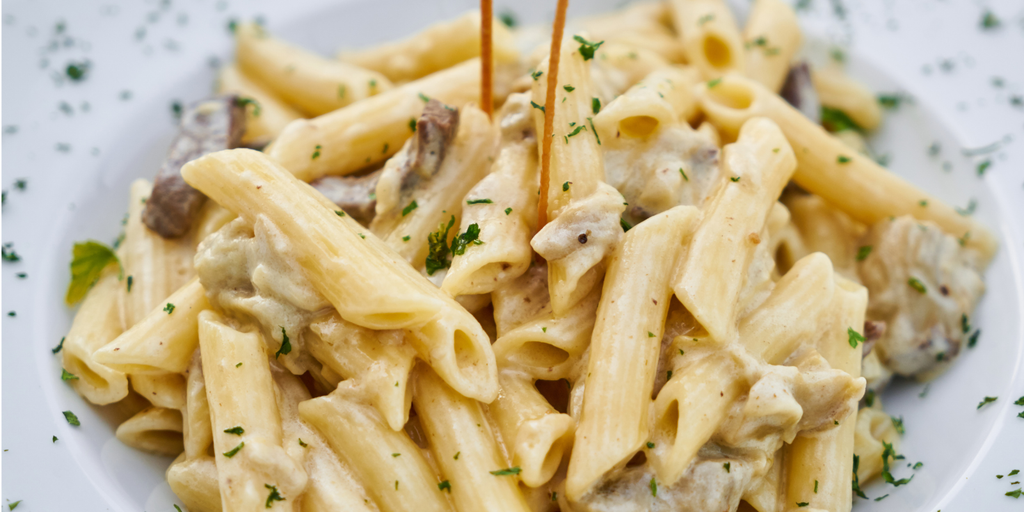
Chicken Alfredo is a popular variation of traditional creamy pasta.
To prepare it, season chicken with your preferred herbs and spices and cook it in a skillet until completely cooked through.
Let the chicken rest briefly, then slice it into bite-sized pieces.
Prepare the Alfredo sauce and add the cooked chicken before combining everything with the pasta.
The chicken makes the meal more filling and adds a savory flavor that pairs naturally with the Parmesan sauce.
How to Add Vegetables to Alfredo Pasta
Vegetables are an easy way to add color and texture to creamy pasta.
Broccoli works especially well because its slightly fresh flavor balances the richness of the sauce.
Mushrooms are another excellent choice. They can be sautéed before being mixed with the pasta.
Spinach can be stirred into the warm sauce until it softens.
You can also try bell peppers, peas, zucchini, or asparagus depending on what you have available.
What Pasta Works Best With Alfredo Sauce?
Fettuccine is a classic option because the wide strands hold the creamy sauce well.
Linguine is another good choice because it has a similar shape.
Penne works nicely if you prefer shorter pasta because the sauce can collect around the ridges and inside the tubes.
Spaghetti can also be used when that is what you have in your pantry.
There is no single pasta shape that you must use. Choose one that you enjoy and cook it properly.
What to Serve With Alfredo Pasta
Because Alfredo pasta has a rich and creamy sauce, fresh or lightly cooked side dishes can provide a pleasant contrast.
A simple green salad is an easy option.
Steamed broccoli, roasted vegetables, or green beans can also work well.
If you want a more indulgent meal, serve the pasta with warm garlic bread.
Chicken Alfredo can be paired with a fresh salad for a complete dinner.
Common Alfredo Pasta Mistakes
Using Too Much Heat
High heat can make the sauce difficult to control. Keep the temperature gentle while adding the cream and cheese.
Adding Parmesan Too Quickly
Adding the cheese gradually gives it time to melt into the sauce.
Making the Sauce Too Salty
Parmesan already has a naturally salty flavor, so always taste the sauce before adding extra salt.
Throwing Away the Pasta Water
Pasta water can help loosen a thick sauce and make it easier to coat the pasta.
Letting the Pasta Sit Too Long
Alfredo sauce thickens as it cools. Serving the pasta soon after preparation gives you a smoother texture.
How to Store Leftover Alfredo Pasta
If you have leftover Alfredo pasta, let it cool and place it in an airtight container.
Keep it refrigerated and use it within a suitable period for refrigerated leftovers.
When reheating, use gentle heat and stir regularly.
A small splash of milk, cream, or water can help loosen the sauce as it warms.
Avoid using very high heat because the creamy sauce can become thick or separate.
Can Alfredo Pasta Be Frozen?
Alfredo pasta is generally most enjoyable when freshly prepared.
Cream-based sauces can change texture after freezing and thawing. The sauce may become less smooth when reheated.
If you decide to freeze leftovers, warm them gently and stir regularly. Adding a small amount of liquid can help improve the texture.
For the smoothest result, fresh Alfredo pasta is usually preferable.
Easy Alfredo Pasta Variations
Garlic Alfredo Pasta
If you love garlic, increase the amount of fresh garlic slightly while preparing the butter.
The garlic should become fragrant without turning dark.
Chicken Alfredo
Add cooked sliced chicken to transform the simple pasta into a more filling meal.
Shrimp Alfredo
Cook seasoned shrimp separately and combine them with the finished pasta and creamy sauce.
Broccoli Alfredo
Cook broccoli until tender and mix it into the pasta before serving.
Mushroom Alfredo
Sauté sliced mushrooms until tender and combine them with the creamy Parmesan sauce.
Spicy Alfredo
If you enjoy a little heat, add red pepper flakes to the finished sauce.
How to Make Alfredo Pasta More Flavorful
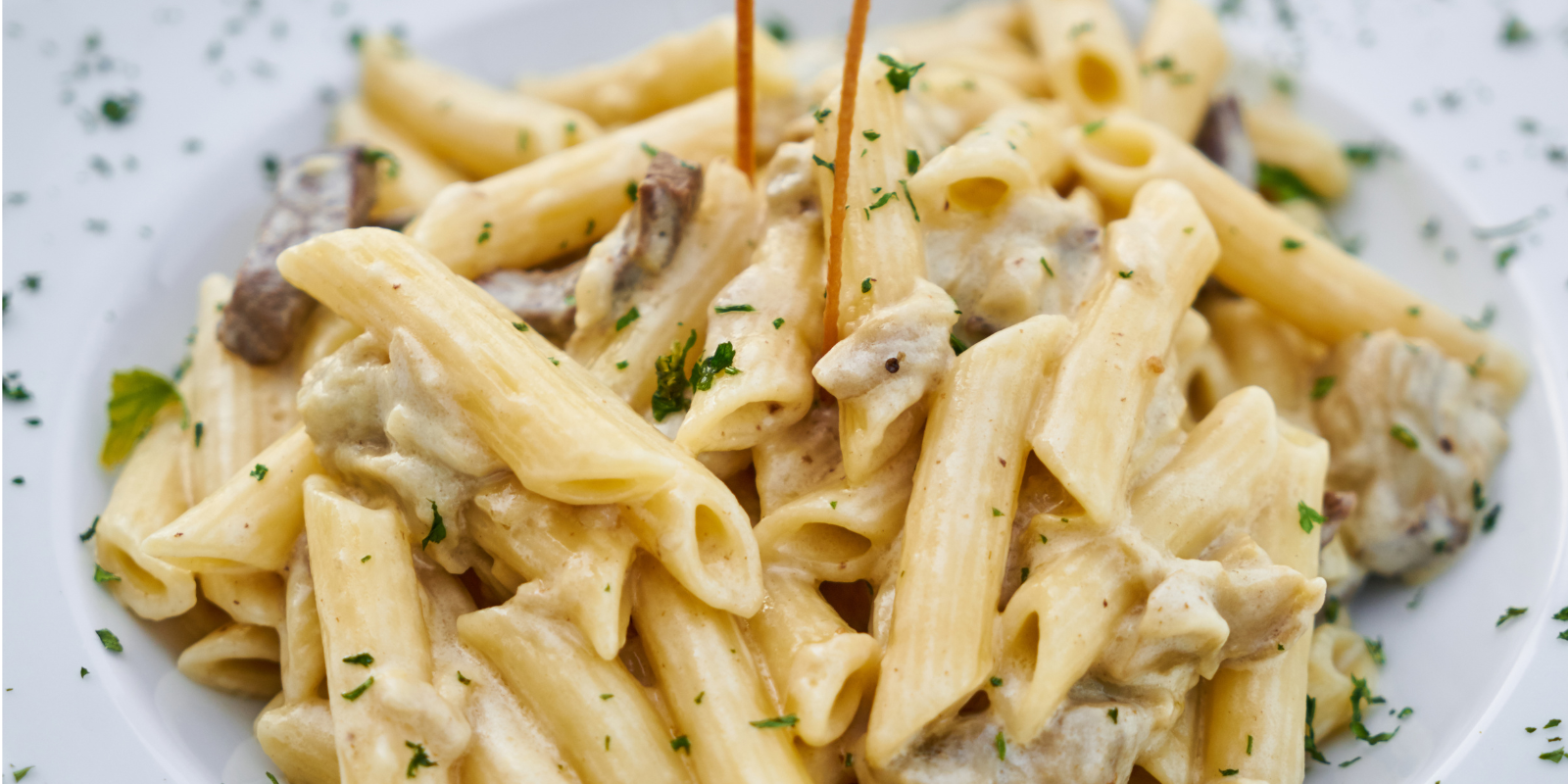
The creamy Parmesan sauce already has a rich flavor, so you do not need to add many ingredients.
Fresh parsley can provide a bright finishing touch.
Black pepper adds warmth and works particularly well with Parmesan.
A small amount of Italian seasoning can introduce an herbal flavor.
Sautéed mushrooms, spinach, broccoli, or chicken can also change the character of the dish without making the preparation complicated.
The best approach is to add ingredients that complement the creamy sauce rather than covering up its flavor.
Frequently Asked Questions
Can I Make Alfredo Pasta Without Garlic?
Yes. Garlic is common in many modern Alfredo recipes, but it is not essential. You can leave it out if you prefer a simple Parmesan and cream flavor.
What Can I Use Instead of Fettuccine?
You can use linguine, spaghetti, penne, or another pasta shape. The sauce works with many different types of pasta.
Why Is My Alfredo Sauce Too Thick?
The sauce may have reduced too much or become thicker as it cooled. Add a small amount of reserved pasta water and stir until the sauce reaches the consistency you want.
Why Did My Alfredo Sauce Become Lumpy?
This can happen when the cheese is added too quickly or the heat is too high. Lower the heat and add freshly grated Parmesan gradually while stirring.
Can I Add Chicken to Alfredo Pasta?
Yes. Cook the chicken separately until completely cooked and then add it to the finished pasta.
Can I Add Vegetables?
Yes. Broccoli, mushrooms, spinach, peas, zucchini, and asparagus can all work well with Alfredo sauce.
How Should I Reheat Alfredo Pasta?
Warm the pasta gently in a skillet or saucepan. Add a small splash of liquid and stir as it warms to help loosen the sauce.
Final Thoughts
This alfredo pasta recipe is a simple homemade meal built around a creamy Parmesan sauce, tender pasta, butter, garlic, and cream.
The recipe is flexible enough to suit different tastes. You can keep it simple for a cozy pasta dinner or add chicken, shrimp, mushrooms, spinach, or broccoli when you want something more substantial.
The most important part is preparing the sauce gently. Fresh Parmesan, moderate heat, and a little reserved pasta water can help you achieve a smooth consistency.
Once you learn the basic method, Alfredo pasta becomes an easy recipe to return to whenever you want a creamy and comforting homemade dinner.