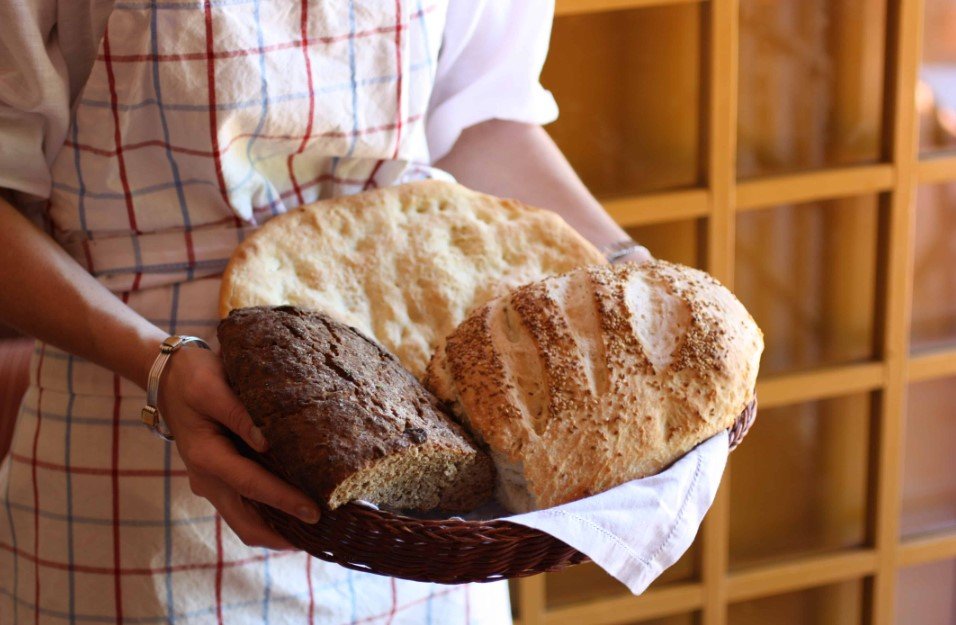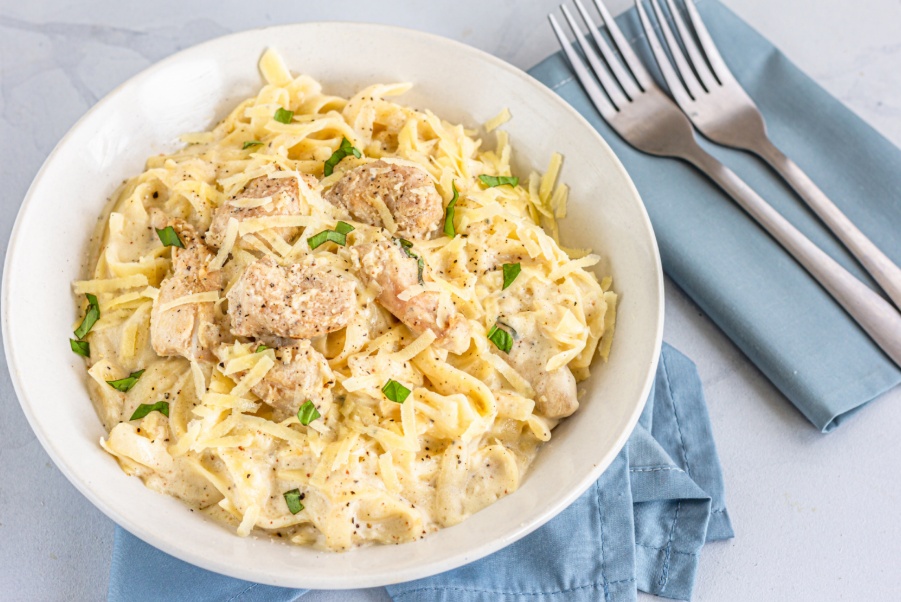

There is something special about a freshly baked loaf of Italian bread recipe. Its golden crust, soft interior, and delicious homemade flavor make it a wonderful addition to almost any meal. Whether you want bread for sandwiches, pasta, soup, bruschetta, or simply a warm slice with butter and olive oil, this Italian bread recipe gives you a practical way to make fresh bread at home.
Italian bread is loved for its simple ingredients and satisfying texture. You do not need a long list of complicated ingredients to make a delicious loaf. Flour, water, yeast, salt, and a little olive oil can create a beautiful bread when the dough is prepared and baked properly.
Homemade bread can sometimes seem difficult when you first start baking. However, once you understand how the dough should look and feel, the process becomes much easier. The key is to give the dough enough time to develop, avoid adding too much flour, and bake the loaf in a properly heated oven.
This homemade Italian bread recipes is suitable for beginners as well as experienced home bakers. It can be made by hand or with a stand mixer, and you can easily customize the finished loaf with herbs, garlic, cheese, or other ingredients.
What Is Italian Bread Recipe?
Italian bread is a broad category that includes many different types of bread made throughout Italy and inspired by Italian baking traditions. Different regions have their own methods, ingredients, shapes, and textures.
Some Italian breads are rustic and chewy, while others are softer and more tender. Some are made with olive oil, while others rely on a simple combination of flour, water, yeast, and salt.
A typical Italian-style loaf often has a golden exterior and a soft, airy center. Depending on the recipe and baking method, the crust can range from moderately crisp to very crunchy.
The simplicity of Italian bread is one of the reasons it remains popular. Instead of depending on many ingredients, the recipe allows flour, fermentation, and baking to create most of the flavor and texture.
This Italian bread recipe takes that simple approach and adapts it for a home kitchen.
Why You Will Love This Italian Bread Recipe
This recipe is an excellent choice when you want homemade bread without complicated ingredients.
The ingredients are easy to find, and you do not need specialized baking equipment. A mixing bowl, baking sheet, oven, and a little patience are enough to get started.
Homemade Italian bread also tastes noticeably different from many packaged breads. Freshly baked bread has a warm aroma, a tender crumb, and a crust that can be adjusted according to your preference.
Another benefit is versatility. You can serve this bread with pasta, soups, salads, roasted vegetables, cheese, or meat dishes. It can also be sliced for sandwiches or toasted and topped with garlic and herbs.
Once you become comfortable with the basic recipe, you can create different versions without changing the fundamental dough.
Ingredients for Italian Bread
The ingredient list for this homemade Italian bread recipe is simple.

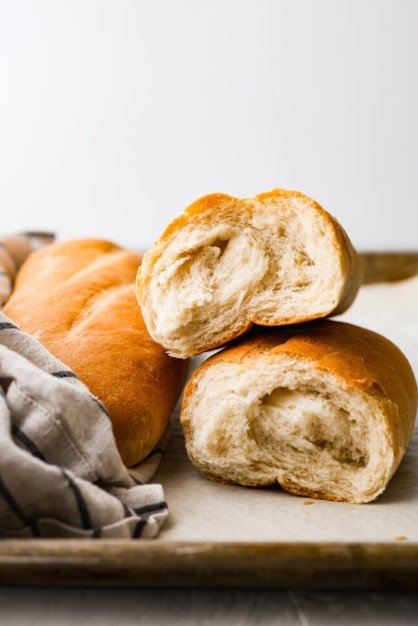
All Purpose Flour
All-purpose flour works very well for homemade Italian bread recipe. It creates a soft loaf with a pleasant texture.
Bread flour can also be used if you prefer a slightly chewier loaf. Because bread flour generally contains more protein, it can support stronger gluten development.
Warm Water
Water brings the flour and other ingredients together and hydrates the dough.
The water should be warm rather than extremely hot. Very hot water can damage the yeast, while cold water may slow the fermentation process.
Active Dry Yeast
Yeast helps the dough rise and contributes to the texture and flavor of the finished bread.
Fresh, active yeast is important. If your yeast is old or inactive, the dough may struggle to rise.
Salt
Salt provides flavor and also affects the structure and fermentation of the dough.
Even though only a small amount is needed, it plays an important role in the finished bread.
Olive Oil
Olive oil adds flavor and can help create a softer texture.
A good-quality olive oil works particularly well if you want the bread to have a subtle Mediterranean character.
Sugar
A small amount of sugar can support yeast activity and encourage browning.
It is not necessary in every traditional Italian bread recipe preparation, but it can be useful in a straightforward homemade recipe.
Italian Bread Recipe
Ingredients
- 3 to 3 ½ cups all-purpose flour
- 1 ¼ cups warm water
- 2 ¼ teaspoons active dry yeast
- 1 tablespoon olive oil
- 1 teaspoon sugar
- 1 ½ teaspoons salt
- Additional flour for shaping if needed
The exact amount of flour may vary slightly. Factors such as humidity, flour type, and measuring technique can affect how much flour the dough requires.
It is better to begin with less flour and add more gradually than to add too much from the beginning.
Preparing the Dough
Combine the warm water with the yeast and sugar and allow the mixture to rest briefly. Active yeast should begin to show signs of activity.
Add the flour, salt, and olive oil and mix until the ingredients form a rough dough.
At this stage, the dough may look slightly sticky and uneven. That is normal. Avoid immediately adding a large amount of flour.
Kneading develops the gluten that gives bread its structure. As the dough is worked, it should gradually become smoother and more elastic.
If you are kneading by hand, use the heel of your hand to push the dough forward before folding it back toward yourself. Continue working the dough until it becomes noticeably smoother.
A stand mixer can also be used with a dough hook if you prefer a more convenient method.
Allowing the Dough to Rise
Once the dough has been kneaded, place it into a lightly oiled bowl and cover it.
The dough should rest in a warm, draft-free area until it becomes noticeably larger and lighter.
The exact rising time can vary because yeast activity depends on temperature and other conditions. A warm kitchen may produce faster fermentation, while a cooler room may require more time.
Instead of depending entirely on a timer, look at the dough. It should have expanded and should feel lighter and more airy.
Giving the dough enough time to ferment is important because this stage contributes to the bread’s texture and flavor.
Shaping Homemade Italian Bread
After the dough has risen, gently release some of the larger air pockets and transfer it to a lightly floured surface.
You can shape the dough into a long loaf for a traditional Italian-style appearance or create a round loaf if you prefer a rustic presentation.
Try not to handle the dough too aggressively. Gentle shaping helps preserve some of the air that developed during fermentation.
Place the shaped loaf on a parchment-lined baking sheet or another suitable baking surface.
The Importance of the Second Rise
After shaping, the dough benefits from additional resting time.
This second rise allows the dough to become lighter before baking. It also helps the loaf develop a better internal structure.
The dough should look slightly puffy before it goes into the oven.
Avoid relying only on a specific number of minutes because environmental conditions can change the fermentation rate.
If the dough is under-proofed, the finished bread may be dense. If it is allowed to rise excessively, it may lose strength and struggle to maintain its shape.
Scoring the Bread
Scoring the surface of the loaf is optional, but it can improve both appearance and baking performance.
Use a sharp knife or bread lame to create shallow cuts across the surface.
These cuts provide controlled areas for the dough to expand as it heats in the oven.
A few simple diagonal cuts can give the loaf a classic bakery-style appearance.
Baking Italian Bread
A properly preheated oven is important for good bread.
Place the shaped loaf into the hot oven and bake until the crust becomes golden brown and the loaf feels firm.
The exact baking time can vary depending on the size and shape of your loaf.
A smaller loaf will generally bake more quickly than a large loaf. The oven itself can also affect the result, so watch the bread as it approaches the expected baking time.
The finished loaf should have a nicely browned exterior and should sound somewhat hollow when tapped.
How to Create a Crispy Italian Bread Crust
A crisp crust is one of the most appealing features of homemade Italian bread.
Steam can play an important role during the early part of baking because it helps keep the surface of the dough flexible while the loaf expands.
A home baker can create steam by placing a heatproof pan in the oven and carefully adding hot water when the bread goes into the oven. Great care should be taken because steam and hot water can cause burns.
Another option is using a covered oven-safe pot for part of the baking process. The enclosed environment naturally traps moisture.
Once the loaf has developed enough structure, removing the cover allows the surface to brown and become crisp.
How to Keep Italian Bread Soft Inside
A crisp exterior and soft interior are a great combination.
One of the most important things to remember is not to add excessive flour. Too much flour can produce a dry or heavy loaf.
Proper hydration helps create a softer crumb, while sufficient kneading develops the gluten structure needed to hold the gases produced by yeast.
Fermentation also matters. If the dough does not have enough time to rise, the finished bread may be compact.
Overbaking can also dry out the center, so pay attention to the loaf’s color and texture as it approaches the end of the baking period.
Common Problems When Making Italian Bread
The Dough Is Too Sticky
Some stickiness is normal, particularly at the beginning.
Instead of immediately adding a lot of flour, continue kneading for a while. The dough may become easier to handle as gluten develops.
If it remains excessively sticky, add a small amount of flour at a time.
The Bread Does Not Rise
Inactive yeast is one possible reason.
The environment may also be too cold, or the dough may simply need more time.
Always check that your yeast is fresh and that your water is not excessively hot.
The Bread Is Too Dense
Dense bread can result from insufficient kneading, inadequate fermentation, too much flour, or baking the dough before it has developed enough.
Pay attention to the dough’s appearance rather than relying only on the clock.
The Crust Is Too Hard
A very hard crust can result from excessive baking or particular oven conditions.
If you prefer a slightly softer crust, reduce baking time carefully and allow the bread to cool properly.
The Bread Is Dry
Dry bread is often caused by too much flour or overbaking.
Measure flour carefully and avoid adding more than necessary during kneading and shaping.
How to Know When Italian Bread Is Ready
Appearance is one of the easiest ways to judge bread.
The loaf should have a golden-brown exterior and should feel firm when handled.
Another traditional method is to tap the bottom of the loaf. A properly baked loaf often produces a hollow sound.
If you use an instant-read thermometer, the internal temperature can provide additional information, although visual and textural indicators are also useful for home baking.
How to Store Homemade Italian Bread
Homemade Italian bread is best when it is fresh.
Once the loaf has completely cooled, store it at room temperature in a bread bag, paper bag, or another suitable container that allows the crust to retain some of its texture.
Avoid placing crusty bread in the refrigerator unless there is a specific reason to do so. Refrigeration can cause bread to become stale more quickly.
If you are not going to eat the bread within a few days, freezing is generally a better choice.
Can You Freeze Italian Bread?
Yes, Italian bread freezes well when it is properly wrapped.
Allow the bread to cool completely before freezing.
You can freeze the entire loaf or slice it first. Slicing the bread before freezing makes it easier to remove only what you need.
Wrap the bread securely and place it inside a freezer-safe bag or container.
When you are ready to eat it, allow it to thaw and then warm it gently in the oven if you want to refresh the crust.
Ways to Serve Italian Bread
There are many delicious ways to enjoy homemade Italian bread.
Italian Bread With Olive Oil
Serve warm slices with olive oil for a simple appetizer or side dish.
You can add herbs, garlic, black pepper, or other seasonings for additional flavor.
Italian Bread With Pasta
Italian bread is an excellent companion for pasta dishes.
Use it to absorb tomato sauce, creamy sauces, or other flavorful ingredients left on the plate.
Homemade Garlic Bread
Italian bread can easily be transformed into garlic bread.
Spread a mixture of butter or olive oil, garlic, herbs, and seasoning over the slices and warm them in the oven until the edges become crisp.
Italian Bread Sandwiches
The soft interior makes this bread suitable for sandwiches.
You can fill it with vegetables, cheese, chicken, roasted meats, or other ingredients.
Bruschetta
Toast slices of Italian bread and top them with chopped tomatoes, basil, olive oil, and seasoning.
The crisp bread provides an excellent base for fresh toppings.
Italian Bread With Soup
Warm bread pairs beautifully with soups.
The soft interior can absorb broth while the crust adds a satisfying texture.
Italian Bread and French Bread: What Is the Difference?
Italian bread and French bread are both associated with crusty loaves, but they represent broad categories rather than one specific recipe.
French bread often emphasizes a simple combination of flour, water, yeast, and salt, with fermentation playing an important role in flavor and texture.
Italian bread traditions vary considerably from region to region. Some breads contain olive oil, milk, herbs, or other ingredients.
The final characteristics depend heavily on the particular recipe and baking method.
Rather than thinking of Italian and French bread as single standardized products, it is more useful to understand that each category includes many different traditional styles.
Can You Make Italian Bread Without a Stand Mixer?
Yes.
A stand mixer can make kneading more convenient, but it is not necessary.
Hand kneading works very well and can actually help beginners understand the dough.
As you knead, you can feel the dough becoming smoother, stronger, and more elastic.
All you need is a mixing bowl, a clean work surface, and enough time to develop the dough.
Can Bread Flour Be Used for Italian Bread?
Bread flour can be used instead of all-purpose flour.
Because bread flour generally contains more protein, it can produce stronger gluten development and a chewier texture.
The dough may behave slightly differently, so you may need to make small adjustments to the amount of water or flour.
For a softer everyday loaf, all-purpose flour is still an excellent option.
How Can You Add More Flavor to Italian Bread?
The basic recipe provides a mild flavor that works well with many foods.
If you want a more distinctive loaf, you can add dried herbs such as oregano, basil, thyme, or rosemary.
Garlic can also create a delicious savory variation.
Grated Parmesan can be used for a cheesy version, while roasted garlic can provide a deeper flavor.
Olive oil can be brushed over the finished loaf to add richness.
You can also experiment with different flour combinations, although changing the flour significantly may require adjustments to the liquid and fermentation.
Italian Bread Recipe Variations
Garlic Herb Italian Bread
Garlic and dried Italian herbs can transform the basic loaf into a more aromatic bread that works particularly well with pasta and soups.
Rosemary Italian Bread
Fresh rosemary provides a fragrant flavor that pairs naturally with olive oil.
Parmesan Italian Bread
Parmesan can add a salty, savory element to the bread. It can be incorporated into the dough or added to the surface before baking.
Whole Wheat Italian Bread
Replacing part of the all-purpose flour with whole wheat flour can create a more rustic loaf.
Whole wheat flour absorbs water differently and can produce a denser texture, so the dough may require adjustments.
Italian Bread Rolls
The dough can be divided into smaller portions to create individual rolls.
These rolls are convenient for dinner, sandwiches, lunch boxes, or gatherings.
Tips for Better Homemade Italian Bread
Use fresh yeast whenever possible.
Measure your flour carefully and avoid automatically adding extra flour.
Pay attention to the texture of the dough throughout the process.
Give the dough enough time to ferment.
Do not skip the second rise after shaping.
Preheat the oven thoroughly before baking.
Score the loaf before it goes into the oven if you want a classic appearance.
Avoid overbaking.
Allow the bread to cool before slicing.
These small details can make a significant difference in the final texture and appearance of your homemade Italian bread.
How to Prepare Italian Bread Ahead of Time
Homemade bread can be prepared ahead of time when you are planning for a meal or gathering.
One approach is to prepare the dough in advance and manage its fermentation carefully. Cooler conditions can slow yeast activity, giving you more flexibility with timing.
Another practical option is to bake the bread earlier in the day.
Once it has cooled completely, keep it properly stored and warm it gently before serving.
For longer storage, freezing the baked loaf is a convenient choice.
Italian Bread for Special Occasions
A homemade Italian bread loaf can make a simple meal feel more special.
It can be served at family dinners, holiday meals, gatherings, or casual weekend lunches.
For a beautiful presentation, place the loaf in a bread basket lined with a clean kitchen towel.
Serve it alongside olive oil, herbs, butter, cheese, or other suitable accompaniments.
A freshly baked loaf can also be a thoughtful homemade gift when properly cooled and packaged.
Internal Link Opportunities for a Food Website
If you are publishing this Italian bread recipe on a food website, internal links can help readers discover related recipes and useful cooking content.
Natural internal-link opportunities include homemade garlic bread, easy bread recipes, Italian dinner recipes, pasta recipes, bruschetta recipes, homemade pizza recipes, soup recipes, sandwich recipes, and guides about storing homemade bread.
For example, when discussing garlic bread, you can link naturally to your garlic bread recipe.
When mentioning pasta, you can connect readers to a related pasta recipe.
Internal links should always be relevant and useful. Adding links simply to increase the number of links on a page can make the article less helpful.
Frequently Asked Questions About Italian Bread Recipe
What is the best flour for an Italian bread recipe?
All-purpose flour is a convenient choice for homemade Italian bread. Bread flour can also be used if you prefer a chewier texture and stronger gluten development.
Why does my Italian bread not rise?
Inactive yeast, cold conditions, insufficient fermentation time, or incorrect ingredient measurements can affect the rise. Make sure the yeast is active and give the dough enough time to expand.
Can I make Italian bread without olive oil?
Yes. Olive oil can add flavor and tenderness, but a basic bread dough can be prepared without it.
Can I use instant yeast for Italian bread?
Yes. Instant yeast can generally be used, although the way it is incorporated into the dough may differ from active dry yeast.
How long does homemade Italian bread last?
Homemade bread is generally best when fresh. Proper room-temperature storage can help maintain its quality for several days, while freezing is a better option for longer storage.
Can Italian bread be frozen?
Yes. Allow the bread to cool completely, wrap it securely, and place it in a freezer-safe container or bag.
Why is my Italian bread crust too hard?
A very hard crust may result from excessive baking or specific oven conditions. Adjusting baking time and managing moisture during baking can help.
Why is my Italian bread too soft on the outside?
A softer crust may be caused by moisture and baking conditions. Baking the loaf sufficiently can help create a firmer, more golden exterior.
Should Italian bread cool before slicing?
Yes. Allowing the bread to cool gives the interior time to finish setting and helps prevent a gummy or compressed crumb.
Can I make Italian bread by hand?
Yes. A stand mixer is optional. Hand kneading is an effective way to develop the dough and requires only a bowl and clean work surface.
What can I serve with Italian bread?
Italian bread can be served with pasta, soup, salads, vegetables, cheese, olive oil, dips, sandwiches, and many other meals.
Can this Italian bread recipe be made into rolls?
Yes. The dough can be divided into smaller portions and shaped into rolls. Allow the rolls to rise before baking them until golden.
Final Thoughts
This Italian bread recipe shows that homemade bread does not need to be complicated. With simple ingredients, careful dough preparation, enough fermentation time, and proper baking, you can make a loaf that is golden on the outside and soft on the inside.
The most important part of successful bread baking is learning to recognize the dough. Rather than depending completely on exact times, pay attention to its texture, size, elasticity, and appearance.
Once you become comfortable with this basic recipe, you can easily experiment with garlic, rosemary, basil, Parmesan, whole wheat flour, or different loaf shapes. You can also turn the same dough into smaller rolls for sandwiches and dinner.
Fresh Italian bread is incredibly versatile. Serve it with pasta, dip it in olive oil, use it for sandwiches, turn it into garlic bread, or enjoy a warm slice straight from the kitchen.
With a little practice, this easy Italian bread recipe can become a reliable homemade favorite for everyday meals, family dinners, and special occasions.