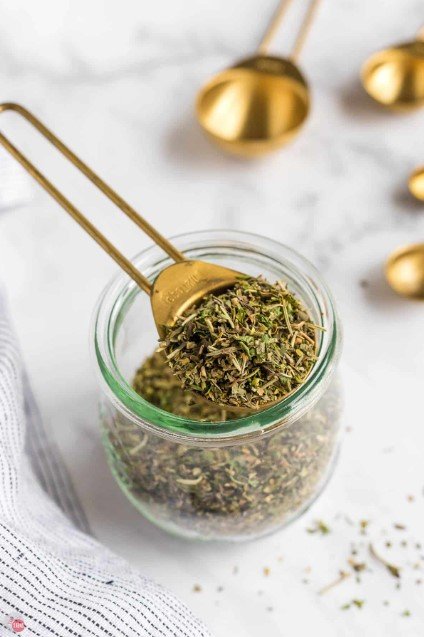
Making your own Italian seasoning recipe at home is one of the easiest ways to add rich, herby flavor to everyday meals. A homemade Italian seasoning blend uses simple dried herbs that you may already have in your pantry, and it takes only a few minutes to prepare.
This versatile seasoning can be used in pasta dishes, pizza, soups, roasted vegetables, chicken, beef, seafood, sauces, marinades, salad dressings, and much more. Once you make a jar, you can keep it ready whenever a recipe needs a quick boost of Italian-inspired flavor.
The best part is that homemade Italian seasoning gives you control over the ingredients. You can make it mild or bold, increase your favorite herbs, leave out an ingredient you do not enjoy, or add a little crushed red pepper for heat.
In this guide, you will learn how to make an easy Italian seasoning recipe, which herbs to use, how to store the blend, how to substitute ingredients, and the best ways to use it in everyday cooking italian recipes.
What Is Italian Seasoning?
Italian seasoning is a dried herb blend commonly used to give foods a Mediterranean and Italian-inspired flavor. Despite its name, there is not one universal recipes that every Italian cook follows.
Most homemade blends combine herbs such as oregano, basil, rosemary, thyme, and marjoram. Some versions also include sage, parsley, garlic powder, onion powder, or crushed red pepper.
The advantage of making your own blend is flexibility. You can adjust the proportions according to your taste and the dishes you prepare most often.
A simple blend can be used as an all-purpose seasoning for weeknight meals, while a more complex mixture can provide a deeper herbal flavor.
Easy Italian Seasoning Recipe
This simple homemade blend is a great starting point if you want a balanced seasoning that works with many different dishes.
Ingredients
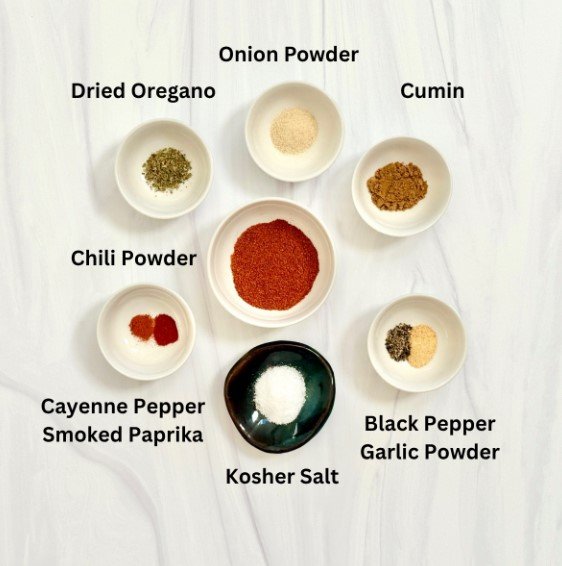
• 2 tablespoons dried oregano
• 2 tablespoons dried basil
• 1 tablespoon dried thyme
• 1 tablespoon dried rosemary
• 1 tablespoon dried marjoram
• 1 teaspoon dried parsley
• 1 teaspoon crushed red pepper flakes, optional
Instructions
Add all of the dried herbs to a small bowl.
If the rosemary leaves are large, gently crush them between your fingers or pulse the mixture briefly in a spice grinder. You do not need to turn the herbs into a powder; smaller pieces simply distribute more evenly throughout the blend.
Add the optional red pepper flakes if you want a little heat.
Mix everything thoroughly.
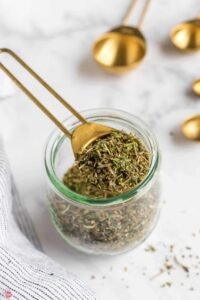
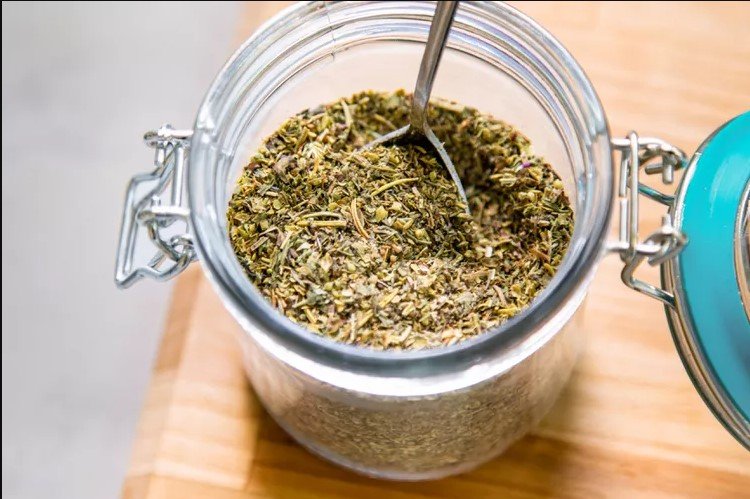
Transfer the homemade Italian seasoning to a clean, completely dry airtight jar or spice container.
Label the container with the name and date, then store it in a cool, dry cabinet away from direct sunlight and heat.
For the best flavor, give the jar a gentle shake before using it.
Why Make Homemade Italian Seasoning?
There are several reasons to make your own seasoning blend rather than relying entirely on a packaged mix.
You Control the Ingredients
Homemade seasoning lets you decide exactly what goes into the blend. If you prefer more oregano or less rosemary, you can easily change the proportions.
It Is Easy to Customize
Some people love basil, while others prefer oregano or thyme. Making your own blend means you can create a version that matches your personal taste.
It Is Convenient
Once prepared, the seasoning can be stored in your pantry and used whenever you need it. Instead of measuring several herbs every time you cook, you can simply grab one jar.
It Can Be Used in Many Recipes
Italian seasoning is not limited to pasta. It works well in chicken recipes, soups, vegetables, potatoes, sauces, marinades, dressings, and baked dishes.
It Helps Use Pantry Herbs
If you have several partially used jars of dried herbs in your cabinet, combining them into a homemade blend can be a practical way to keep your spice collection organized.
Ingredients Explained
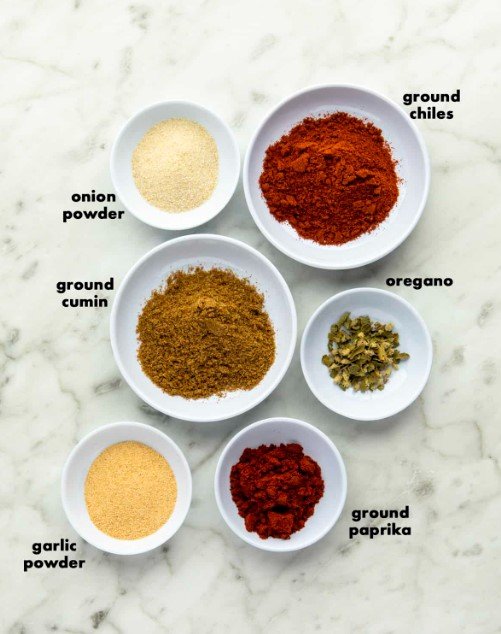
Each herb contributes something different to the final seasoning blend.
Dried Oregano
Oregano provides a strong, earthy, slightly peppery flavor. It is one of the most recognizable herbs in Italian-inspired cooking and gives the blend its characteristic savory quality.
Because oregano can be fairly bold, you usually do not need a large amount compared with milder herbs.
Dried Basil
Basil adds a sweet, aromatic, slightly minty note. It balances the stronger flavor of oregano and gives the seasoning a familiar flavor that works particularly well with tomato-based recipes.
Basil is especially useful in pasta sauces, pizza, soups, and roasted vegetables.
Dried Thyme
Thyme contributes an earthy and slightly floral flavor. It blends well with both vegetables and meats and helps create a more rounded seasoning.
Dried Rosemary
Rosemary has a strong, pine-like aroma. A little goes a long way, so it is often used in smaller amounts.
It pairs particularly well with potatoes, chicken, roasted vegetables, and grilled meats.
Dried Marjoram
Marjoram has a delicate, slightly sweet and floral flavor. It is related to oregano but generally tastes softer and more subtle.
If you do not have marjoram, you can leave it out or use a little additional oregano.
Dried Parsley
Parsley adds a mild herbal note and helps balance the stronger herbs. It is not essential, but it can make the blend taste more rounded.
Red Pepper Flakes
Red pepper flakes are optional. They add heat rather than traditional herbal flavor.
If you are making a seasoning blend for the entire family, you may prefer to leave them out and add heat separately when cooking.
How to Make Italian Seasoning
Making homemade seasoning is extremely simple, but a few small details can improve the final result.
Before mixing, make sure your dried herbs are fresh enough to have a noticeable aroma. Older herbs can lose much of their flavor over time.
Open each container and smell the herbs. If they have very little aroma, replacing them may produce a better seasoning blend.
Use measuring spoons to create a consistent ratio.
You do not have to follow the recipe perfectly. The proportions can be adjusted according to your preferences.
Dried rosemary can sometimes contain large leaves. Breaking them into smaller pieces makes the seasoning easier to distribute.
You can gently crush the herbs with your fingers, use a mortar and pestle, or pulse them briefly in a spice grinder.
Place the measured herbs in a bowl and stir until evenly combined.
Avoid grinding everything into a fine powder unless that is the texture you prefer.
Transfer the finished blend into an airtight container.
Keep the container in a cool, dark, dry area. A kitchen cabinet away from the stove is usually more suitable than a shelf directly above a cooking surface.
Italian Seasoning Without Marjoram
If you do not have marjoram, there is no need to stop making the recipe.
Simply leave it out and use the remaining herbs.
You can also add a small amount of oregano to replace some of the flavor, but avoid adding too much because oregano has a stronger taste.
A simple substitute is:
• Oregano
• Basil
• Thyme
• Rosemary
• Parsley
This combination still creates a flavorful and versatile Italian herb blend.
Italian Seasoning Without Rosemary
Rosemary has a distinctive flavor that some people find too strong. If you prefer a milder seasoning, simply reduce it or leave it out.
You can increase the basil or thyme slightly to maintain a balanced herb profile.
This version works especially well in tomato sauces, pasta dishes, soups, and salad dressings.
How to Use Italian Seasoning
One of the biggest advantages of this homemade blend is its versatility.
Pasta
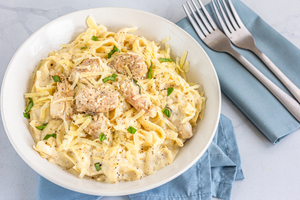
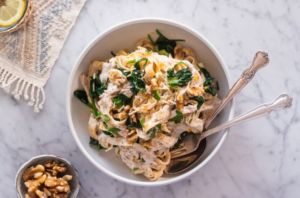
Add Italian seasoning to tomato sauce, creamy pasta sauce, baked pasta, or simple olive-oil-based pasta.
For a quick dinner, toss cooked pasta with olive oil, garlic, Parmesan, and a small amount.
Pizza
Sprinkle the seasoning over pizza before baking or add it to homemade pizza sauce.
It can also be mixed with olive oil to make a simple dipping sauce for bread.
Chicken
Italian seasoning works beautifully with baked, grilled, or pan-cooked chicken.
Combine it with olive oil, lemon juice, garlic, salt, and black pepper to create a simple chicken marinade.
Vegetables
Roasted vegetables benefit from dried herbs because the seasoning becomes fragrant as it cooks.
Try it with potatoes, zucchini, bell peppers, mushrooms, tomatoes, broccoli, or cauliflower.
Soups
Add a teaspoon or two to tomato soup, vegetable soup, chicken soup, minestrone-style soups, or bean soups.
Start with a small amount and adjust according to taste.
Salad Dressing
Italian seasoning can be mixed with olive oil, vinegar or lemon juice, mustard, salt, and pepper to make a quick homemade dressing.
Meatballs
Add Italian seasoning to ground beef, turkey, chicken, or a combination of meats when making meatballs.
It pairs particularly well with Parmesan cheese, garlic, and breadcrumbs.
Bread
Mix the seasoning with softened butter or olive oil and spread it over bread before baking.
You can also combine it with garlic and Parmesan for a flavorful garlic bread topping.
Potatoes
Toss potato wedges or cubes with olive oil, Italian seasoning, salt, and black pepper before roasting.
The herbs become fragrant and slightly toasted as the potatoes cook.
How Much Italian Seasoning Should You Use?
The amount depends on the recipe and your personal taste.
As a general starting point, use approximately:
1 teaspoon for a small batch of sauce
1 to 2 teaspoons for roasted vegetables
1 to 2 teaspoons for a chicken marinade
1 tablespoon for a large pot of soup
1 to 2 teaspoons for a pound of ground meat
You can always add more, but it is harder to correct a dish that has been heavily seasoned.
For that reason, start with a modest amount and taste as you cook.
Italian Seasoning for Chicken
Italian seasoning is especially useful for quick chicken dinners.
For a simple marinade, combine olive oil, lemon juice, Italian seasoning, minced garlic, salt, and black pepper.
Add chicken and allow it to marinate in the refrigerator before cooking.
The herb mixture can also be rubbed directly onto chicken with olive oil before baking or grilling.
For a simple weeknight meal, season chicken breasts with the blend and serve them with roasted vegetables and potatoes.
Italian Seasoning for Vegetables
Homemade Italian seasoning can make simple vegetables more interesting without requiring a complicated sauce.
For roasted vegetables, toss your vegetables with olive oil, Italian seasoning, salt, and pepper.
Spread them in a single layer on a baking sheet and roast until tender and lightly browned.
Good choices include:
• Zucchini
• Bell peppers
• Mushrooms
• Tomatoes
Potatoes
• Broccoli
• Cauliflower
• Eggplant
• Carrots
The seasoning can also be added to sautéed vegetables near the end of cooking.
Italian Seasoning for Pasta Sauce
A homemade Italian herb blend is an easy way to add depth to tomato sauce.
Start by sautéing onion and garlic in olive oil. Add crushed or strained tomatoes and season with salt and Italian seasoning.
Simmer the sauce so the dried herbs have time to release their flavor.
Taste near the end and adjust the seasoning.
For a richer sauce, you can add Parmesan cheese, a small amount of butter, or fresh basil before serving.
Italian Seasoning for Homemade Salad Dressing
You can create a simple Italian-inspired dressing with ingredients that are commonly available in the kitchen.
Combine:
• Olive oil
• Vinegar or lemon juice
• Italian seasoning
• Dijon mustard
• Salt
• Black pepper
Whisk or shake everything together until combined.
Taste the dressing and adjust the acidity, salt, or seasoning according to your preference.
This dressing works well with green salads, pasta salads, tomatoes, cucumbers, and roasted vegetables.
How to Store Homemade Italian Seasoning
Proper storage helps preserve the flavor and aroma of dried herbs.
Use a clean, dry, airtight container with a secure lid. Glass spice jars work particularly well.
Keep the container away from:
• Direct sunlight
• Steam
• Moisture
• High heat
• The area directly above the stove
Do not use a wet spoon when measuring the seasoning. Moisture can cause dried herbs to clump and may reduce their quality.
For the best flavor, make smaller batches that you can use while the herbs are still aromatic rather than preparing a very large quantity.
How Long Does Homemade Italian Seasoning Last?
Dried herbs generally last a long time when stored correctly, but their flavor gradually becomes weaker.
Rather than relying only on a specific expiration date, check the seasoning’s aroma and appearance.
If the herbs still smell fragrant when you open the container, they are more likely to provide good flavor. If the blend smells extremely weak or stale, it may be time to make a fresh batch.
Writing the preparation date on the jar can also help you keep track of freshness.
Tips for the Best Italian Seasoning Recipe
A few simple techniques can make your homemade blend more flavorful.
Use Good-Quality Dried Herbs
The final seasoning can only be as flavorful as the herbs you use.
If your herbs have been sitting in the pantry for years and have lost their aroma, the finished blend will also taste weak.
Keep the Blend Dry
Moisture is one of the biggest enemies of dried herbs. Always use a dry measuring spoon.
Do Not Overuse Rosemary
Rosemary has a powerful flavor. Using too much can overwhelm the basil, thyme, and other herbs.
Adjust the Blend to Your Taste
The recipe is a starting point, not a strict rule.
If you love oregano, increase it. If you prefer a sweeter herb profile, use more basil. If you enjoy heat, add red pepper flakes.
Make Small Batches
A small batch is easy to use before the herbs lose their aroma.
Can You Add Garlic Powder?
Yes. Garlic powder can be added if you want an Italian seasoning blend that also includes a savory garlic flavor.
However, garlic powder can change the storage characteristics of the blend, particularly if moisture gets into the container.
A simple option is to keep your basic Italian herb blend separate and add garlic powder when preparing individual dishes.
This also gives you greater flexibility.
Can You Add Onion Powder?
Onion powder can also be used, but it is not necessary for a traditional dried herb-style blend.
If you add it, use a modest amount and keep the mixture completely dry.
Some cooks prefer to make a separate Italian seasoning mix containing herbs, garlic powder, onion powder, and other spices. Others prefer a simple herb-only blend.
Both approaches can work depending on how you plan to use the seasoning.
Italian Seasoning vs. Italian Herbs
The terms can sometimes be used interchangeably, but recipes vary.
An Italian herb blend generally refers to a mixture of dried herbs associated with Italian-style cooking.
A packaged Italian seasoning may contain additional ingredients such as garlic powder, onion powder, salt, or crushed pepper.
When making your own blend, check the individual ingredients rather than assuming every Italian seasoning mixture contains the same herbs.
Can You Use Fresh Herbs Instead?
Fresh herbs and dried herbs are not direct one-to-one substitutes.
Fresh herbs contain more moisture and generally have a brighter, fresher flavor. Dried herbs are more concentrated and convenient for making a shelf-stable seasoning blend.
If a recipe specifically calls for fresh basil, oregano, rosemary, or thyme, follow the recipe’s suggested amount rather than automatically replacing fresh herbs with the same quantity of dried herbs.
For the homemade seasoning recipe above, dried herbs are the better choice because the blend is designed for storage.
Ways to Customize Your Homemade Blend
Once you have made the basic recipe, you can create different versions.
Spicy Italian Seasoning
Add extra crushed red pepper flakes for a hotter blend.
This is useful for pizza, pasta, sausage, and roasted vegetables.
Garlic Italian Seasoning
Add garlic powder for a stronger savory flavor.
This works well as a seasoning for chicken, vegetables, bread, and potatoes.
Mild Italian Herb Blend
Reduce oregano and rosemary slightly and increase basil and parsley.
This creates a gentler herb profile.
Herb-Forward Blend
Increase thyme, oregano, and rosemary if you enjoy a stronger dried-herb flavor.
Use this version carefully in delicate sauces because the herbs can become quite noticeable.
Common Mistakes to Avoid
Making Italian seasoning is easy, but a few mistakes can affect the result.
Using Very Old Herbs
Old herbs may look fine but have little aroma or flavor.
Adding Too Much Rosemary
Rosemary can dominate a seasoning blend when used in excessive amounts.
Storing the Blend Near Heat
Heat and sunlight can gradually reduce the quality of dried herbs.
Adding Moist Ingredients
Fresh garlic, fresh herbs, cheese, or other moist ingredients should not simply be mixed into a dry seasoning blend intended for pantry storage.
Making Too Much
A huge jar may seem convenient, but a smaller batch can provide fresher flavor.
Italian Seasoning Recipe for Meal Prep
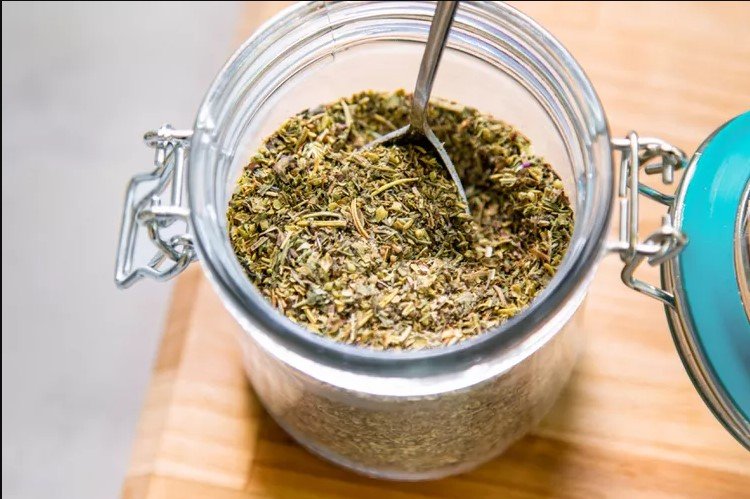
A homemade seasoning blend can make meal preparation easier.
Prepare a jar at the beginning of the week and use it for several meals.
For example, you can season chicken with Italian herbs one day, roasted vegetables another day, and pasta sauce later in the week.
Keeping a ready-made blend available reduces the number of individual spice jars you need to measure during busy cooking sessions.
You can even prepare small portions in labeled containers if you regularly make specific recipes.
Italian Seasoning Recipe for Homemade Marinades
A basic marinade can be made with Italian seasoning, olive oil, lemon juice, garlic, salt, and black pepper.
The acidity from lemon juice can add brightness, while the herbs provide aroma and flavor.
This combination works particularly well with chicken and vegetables.
For food safety, always marinate raw meat in the refrigerator and discard marinade that has been in contact with raw meat unless it is properly cooked before serving as a sauce.
Italian Seasoning in Slow Cooker Recipes
Italian seasoning is convenient for slow cooker meals because dried herbs can release flavor gradually during cooking.
Try adding it to:
• Chicken soup
• Tomato-based chicken dishes
• Vegetable soup
• Bean dishes
• Slow-cooked beef
• Tomato sauce
When using dried herbs in a slow cooker, begin with a moderate amount. You can adjust the seasoning after cooking.
Italian Seasoning in Air Fryer Recipes
Air-fried foods can also benefit from this herb blend.
Toss potatoes, zucchini, mushrooms, chicken pieces, or other vegetables with a little oil and Italian seasoning before air frying.
Because air fryers cook food with circulating hot air, herbs may become fragrant quickly. Avoid using excessive amounts of loose seasoning if it tends to blow around during cooking.
Frequently Asked Questions
What is Italian seasoning made of?
Italian seasoning commonly contains dried herbs such as oregano, basil, thyme, rosemary, and marjoram. Some blends also include parsley, sage, garlic powder, onion powder, or crushed red pepper.
What can I substitute for Italian seasoning?
You can make a quick substitute by combining dried oregano, basil, thyme, and rosemary. The exact proportions can be adjusted according to the recipe and your taste.
Is Italian seasoning the same as oregano?
No. Oregano is a single herb, while is a blend of multiple herbs.
Can I use Italian seasoning on chicken?
Yes. Italian seasoning is excellent for baked, grilled, roasted, and pan-cooked chicken. It can be combined with olive oil, lemon, garlic, salt, and pepper.
Can I use Italian seasoning in pasta?
Yes. Add it to tomato sauce, creamy sauces, baked pasta, or simple olive-oil pasta dishes.
Does Italian seasoning contain salt?
Homemade Italian seasoning does not have to contain salt. Keeping salt separate gives you better control over seasoning individual dishes. Packaged blends vary, so check the ingredient label if you are using a store-bought product
Final Thoughts
Making your own Italian seasoning is a simple and practical way to add delicious herbal flavor to everyday meals. With a few basic dried herbs, you can create a versatile blend that works beautifully with pasta, pizza, chicken, vegetables, soups, sauces, marinades, and more. The recipe is easy to customize, so you can adjust the herbs and spices according to your taste. Keep the finished blend in a clean, airtight container in a cool, dry place, and you will always have a convenient homemade seasoning ready to enhance your favorite dishes