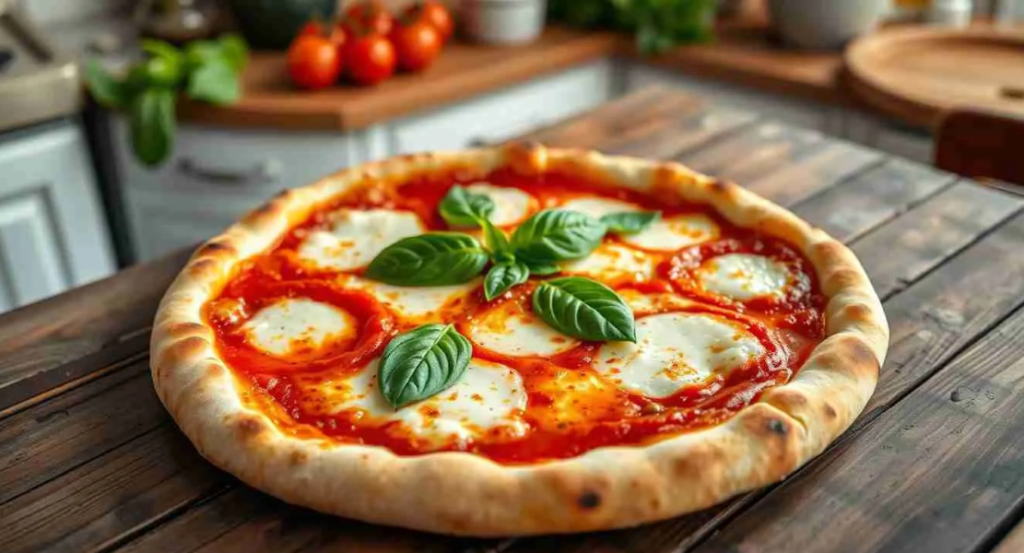
A homemade Margherita Pizza Recipe is one of the simple way to make a classic Italian style pizza for home. It uses a small number of ingredients and each one plays an important role. A good pizza dough form good base, tomato sauce adds brightness, mozzarella provides a creamy melted topping and fresh basil brings a fragrant finish.
You do not need a complicated the list of toppings to make a satisfying pizza. In fact, the simplicity of Margherita pizza is part of what makes it so appealing. With properly prepared dough, a hot oven, flavorful tomatoes, mozzarella, fresh basil, and a little olive oil, you can create a homemade pizza that feels special without requiring complicated cooking techniques.
This recipe explains how to prepare the dough, make a simple tomato sauce, prepare the toppings, shape the pizza, and bake it at home. It also includes tips for getting a crisp crust, avoiding excess moisture, storing leftovers, reheating pizza, and making useful variations.
What Is Margherita Pizza?
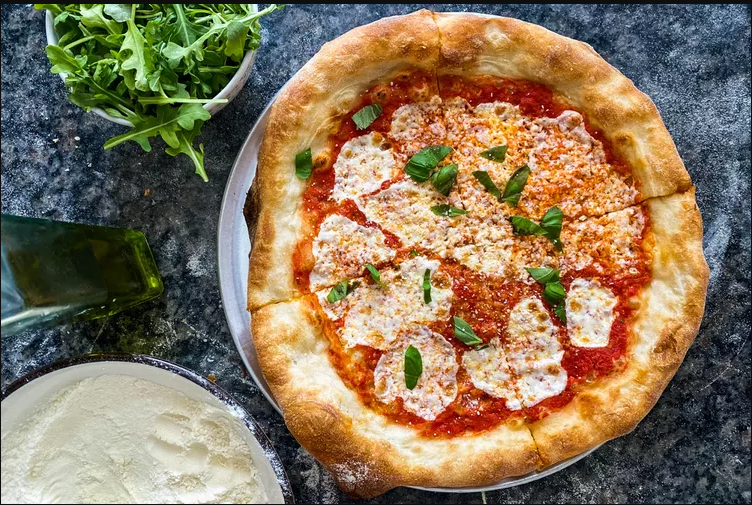
Margherita pizza is a classic pizza associated with Naples, Italy. Its traditional style is built around a few basic ingredients: pizza dough, tomatoes, mozzarella, fresh basil, salt, and olive oil.
The combination is simple, but the ingredients complement one another well. The tomato provides acidity and sweetness, mozzarella adds richness, basil contributes a fresh herbal aroma, and olive oil helps bring the flavors together.
Unlike heavily loaded pizzas, Margherita pizza does not depend on a large number of toppings. The dough and baking technique are just as important as the ingredients placed on top.
The name is commonly associated with Queen Margherita of Savoy, although the historical story surrounding the pizza’s name and creation is more complicated than the popular version often suggests. Today, Margherita pizza is widely recognized as a classic Italian pizza style.
The History of Margherita Pizza
Margherita pizza is strongly connected with Naples and the Neapolitan pizza tradition. Naples has a long history of pizza-making, with pizza developing as an accessible and practical food made with relatively inexpensive ingredients.
The familiar story says that a pizza made with tomatoes, mozzarella, and basil was created or presented in honor of Queen Margherita during a visit to Naples. The three ingredients were said to represent the colors of the Italian flag red, white, and green.
However, historians have discussed the details of this story, and the popular legend should not be treated as the only explanation for the development of the pizza.
What is clear is that the combination became an important part of Italian pizza culture. Margherita pizza remains closely associated with Naples and has become popular far beyond Italy.
Why You’ll Love This Margherita Pizza Recipe
There are several reasons to make Margherita pizza at home.
- It uses simple ingredients.
- The recipe does not require many toppings.
- The dough can be prepared ahead of time.
- You can make it with a regular home oven.
- A pizza stone or steel can improve the crust but is not essential.
- Fresh basil adds a bright aroma.
- The recipe works well for lunch, dinner, or casual gatherings.
- You can easily adjust the size and thickness of the pizza.
The key is not adding more ingredients. Instead, focus on dough preparation, moisture control, and baking at a sufficiently high temperature.
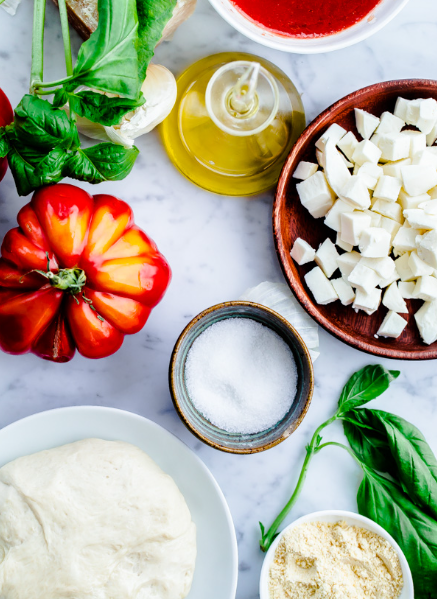
Margherita Pizza Ingredients
For the Pizza Dough
- 3 cups all-purpose or bread flour
- 1 cup plus 2 tablespoons lukewarm water
- 2 teaspoons instant yeast
- 1 teaspoon salt
- 1 tablespoon olive oil
- 1 teaspoon sugar, optional
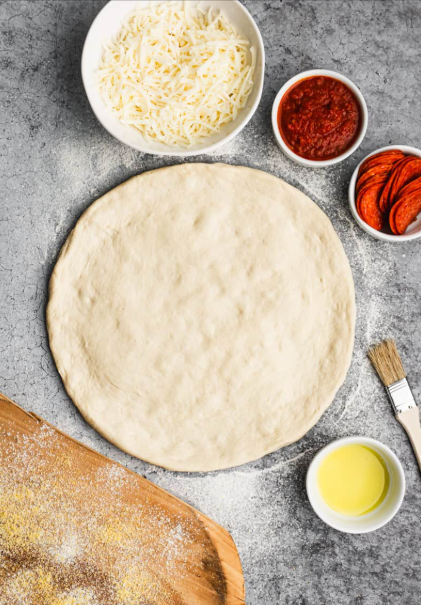
For the Tomato Sauce
- 1 cup crushed tomatoes or passata
- 1 tablespoon olive oil
- 1/2 teaspoon salt
- A small amount of dried oregano, optional
- Fresh basil, optional
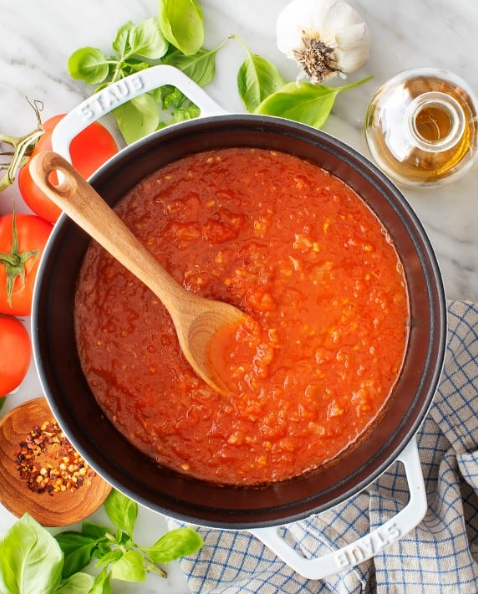
For the Topping
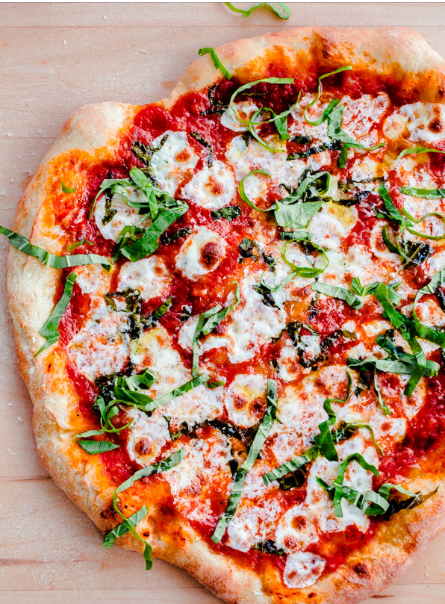
- 8 ounces fresh mozzarella
- Fresh basil leaves
- 1 tablespoon extra-virgin olive oil
- A small pinch of salt if needed
These quantities make approximately two medium pizzas, depending on the thickness and size of the dough.

Ingredient Notes and Substitutions
Flour
Bread flour can provide a slightly chewier crust because of its higher protein content. All-purpose flour is also a practical choice and is widely available.
If you are making pizza for the first time, use the flour that is easiest for you to work with rather than buying several specialty ingredients.
Water
Water affects dough texture. Add it gradually if necessary because flour can absorb different amounts of water depending on the type and brand.
The finished dough should feel soft and slightly tacky without being excessively wet.
Yeast
Instant yeast is convenient because it can generally be mixed directly with the dry ingredients. Active dry yeast can also be used, although the preparation method may vary slightly depending on the product.
Tomatoes
Crushed tomatoes or passata work well for a quick homemade sauce. Choose tomatoes with a pleasant flavor and avoid making the sauce excessively watery.
Mozzarella
Fresh mozzarella is a traditional choice for this style of pizza. Because fresh mozzarella contains considerable moisture, drain it well and pat it gently with paper towels before using it.
Low-moisture mozzarella can also be used if that is what you have available.
Basil
Fresh basil gives the pizza a characteristic herbal aroma. Dried basil does not provide exactly the same flavor or appearance.
Olive Oil
A small drizzle of olive oil adds richness and helps finish the pizza. Extra-virgin olive oil can be used for serving.
Equipment You’ll Need
You can make Margherita pizza with basic kitchen equipment.
You may need:
- Large mixing bowl
- Measuring cups and spoons
- Kitchen scale, if available
- Clean work surface
- Baking sheet or pizza pan
- Pizza stone or pizza steel, optional
- Pizza peel, optional
- Oven
- Pizza cutter or sharp knife
A pizza stone or steel can help transfer strong heat to the dough, but a properly preheated baking tray can also work.
How to Make Margherita Pizza Dough
Start by combining the flour, yeast, and optional sugar in a large bowl.
Add most of the lukewarm water and mix until the ingredients begin to form a rough dough. Add the remaining water gradually if the dough appears too dry.
Add the salt and olive oil and continue mixing.
Transfer the dough to a lightly floured surface and knead for approximately 8–10 minutes. The dough should become smoother and more elastic as you work it.
You can also use a stand mixer with a dough hook if preferred.
Shape the dough into a ball and place it in a lightly oiled bowl. Cover it and leave it in a warm, draft-free place until it has noticeably expanded.
The exact rising time depends on room temperature, yeast activity, and the dough itself, so focus on the appearance and texture rather than relying only on the clock.
Prepare the Tomato Sauce
For a simple Margherita pizza sauce, place the crushed tomatoes or passata in a bowl.
Add olive oil and salt. You can add a small amount of oregano if you like, although keeping the sauce simple allows the tomato flavor to remain prominent.
There is no need to make a complicated sauce for this recipe.
If the tomatoes are particularly watery, allow some excess liquid to drain before spreading the sauce on the pizza.
The sauce should be flavorful but not overly thick or heavily seasoned.
Prepare the Mozzarella
Fresh mozzarella can release water while the pizza is baking. Too much moisture can make the center of the pizza soft.
Slice or tear the mozzarella into small pieces and place them on a clean paper towel.
Gently pat the surface to remove excess moisture.
Do not completely dry the cheese. The goal is simply to reduce unnecessary liquid before it goes onto the pizza.
How to Shape the Pizza Dough
Once the dough has risen, gently transfer it to a lightly floured work surface.
If making two pizzas, divide the dough into two portions.
Shape each portion into a ball and allow it to rest briefly before stretching.
Press the center of the dough gently with your fingertips, working outward while leaving a slightly thicker edge around the outside.
Turn the dough as you stretch it.
Avoid pressing down heavily on the outer edge because this can remove the air that helps create a lighter crust.
If you prefer using a rolling pin, you can use one, especially if you are a beginner. However, gentle hand stretching can help preserve the dough’s structure.
How to Assemble Margherita Pizza
Place the shaped dough on a prepared baking surface.
Spread a thin layer of tomato sauce over the dough. Leave a small border around the edge for the crust.
Add the drained mozzarella pieces evenly across the surface.
Add several fresh basil leaves.
Finish with a light drizzle of olive oil.
Avoid adding too much sauce or cheese. A heavily topped pizza can release excess moisture and may take longer to bake properly.
The Best Oven Temperature for Margherita Pizza
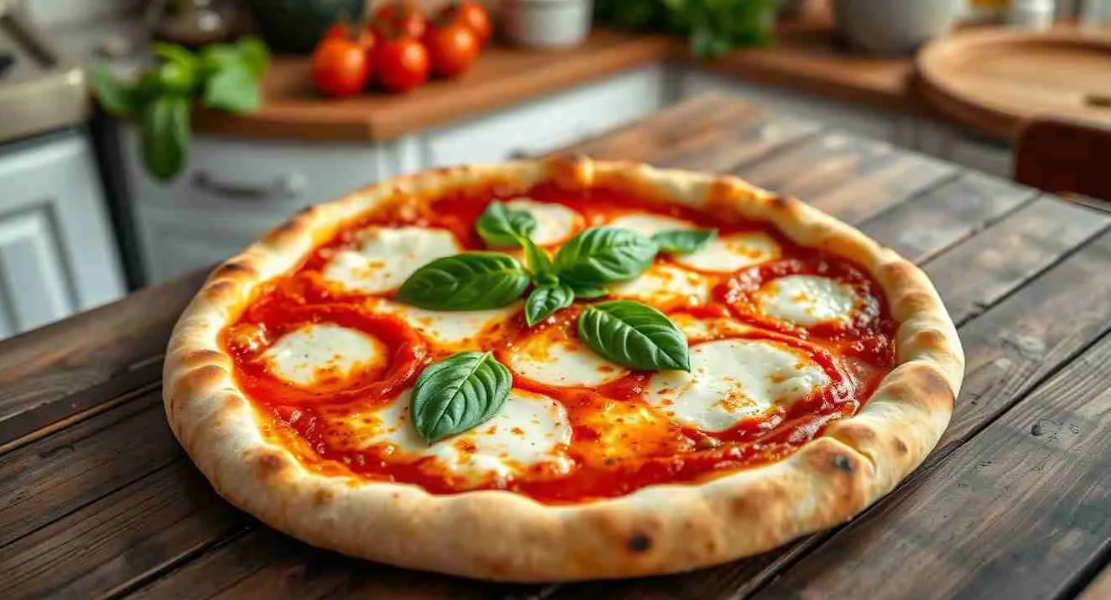
A very hot oven is important for achieving a well-baked pizza crust.
Home ovens vary considerably, so follow your oven’s maximum suitable pizza-baking temperature.
For many home ovens, a temperature around 475–500°F (245–260°C) can work well.
If using a pizza stone or pizza steel, place it in the oven during preheating so it becomes thoroughly heated.
A professional pizza oven can reach substantially higher temperatures and cook pizza much faster than a typical household oven.
The cooking time in this recipe should therefore be treated as a guide rather than an absolute rule.
How to Bake Margherita Pizza
Preheat your oven thoroughly before baking.
If you are using a pizza stone or steel, allow it enough time to become hot.
Carefully transfer the prepared pizza onto the hot surface.
Bake until the crust is puffed and golden around the edges and the cheese has melted.
Depending on your oven, pizza size, dough thickness, and baking surface, this may take approximately 7–12 minutes in a very hot home oven.
Watch the pizza during the final few minutes.
The crust should have a baked appearance, the bottom should be firm, and the mozzarella should be melted without becoming excessively dry.
Remove the pizza and allow it to rest for a short time before slicing.
Add a few fresh basil leaves after baking if desired.
Step by Step Margherita Pizza Recipe
Make the Dough
Mix flour and yeast with most of the water. Add salt and olive oil, then knead until the dough becomes smooth and elastic.
Let the Dough Rise
Place the dough in an oiled bowl, cover it, and allow it to rise until noticeably expanded.
Prepare the Sauce
Mix crushed tomatoes or passata with olive oil and salt. Keep the sauce simple and avoid excess liquid.
Prepare the Mozzarella
Drain fresh mozzarella and gently pat it dry to reduce excess moisture.
Shape the Dough
Divide the dough if necessary and stretch each portion into a round pizza base while keeping the outer edge slightly thicker.
Add the Sauce
Spread a thin, even layer of tomato sauce across the dough.
Add Mozzarella and Basil
Distribute mozzarella evenly and add fresh basil.
Bake the Pizza
Transfer the pizza to a fully preheated oven and bake until the crust is browned and the cheese has melted.
Finish and Serve
Drizzle with a little olive oil, add fresh basil if desired, slice, and serve while warm.
How to Get a Crispy Margherita Pizza Crust
A crispy crust starts with proper oven preparation.
Preheat the oven thoroughly rather than placing the pizza inside while it is still warming.
A pizza stone or steel can help provide strong bottom heat. If you do not have either, preheat a heavy baking sheet upside down and place the pizza on its hot surface.
Avoid adding excessive sauce because extra liquid can make the center soft.
Draining fresh mozzarella also helps.
Finally, do not overload the pizza with toppings. The simple ingredient list is one of the reasons Margherita pizza can bake efficiently.
How to Get a Soft and Chewy Crust
For a softer, chewier crust, focus on fermentation and dough handling.
Allow enough time for the dough to rise and become noticeably lighter.
Avoid adding excessive flour during kneading and shaping. Too much extra flour can make the finished dough dry.
Gentle stretching can also help preserve the structure of the dough.
The final texture will depend on flour, hydration, fermentation, oven temperature, and baking time.
Common Mistakes to Avoid
Using Too Much Sauce
A thick layer of tomato sauce can make the center wet. Use enough to cover the dough without creating a pool of sauce.
Adding Wet Mozzarella
Fresh mozzarella can release excess water. Drain and pat it before placing it on the pizza.
Skipping Preheating
A pizza needs strong heat to develop its crust properly. Always preheat the oven thoroughly.
Overloading the Pizza
More toppings do not necessarily create a better pizza. Too many ingredients can interfere with cooking.
Using Too Much Flour
Excess flour can make the dough dry and can also burn on the bottom during baking.
Not Allowing the Dough to Rest
Dough that has not rested sufficiently can be difficult to stretch and may shrink back when shaped.
Baking at Too Low a Temperature
A low oven temperature can leave the crust pale or dry the toppings before the base develops the desired texture.
Cutting Immediately With Excessive Pressure
Use a pizza cutter or sharp knife and slice carefully so the toppings remain distributed across the pizza.
Tips for Making Better Margherita Pizza at Home
- Preheat the oven properly.
- Drain fresh mozzarella before using it.
- Keep the tomato sauce relatively light.
- Allow the dough enough time to rise.
- Avoid adding too much flour during shaping.
- Use fresh basil for the best aroma.
- Bake on a hot surface when possible.
- Do not overload the pizza.
- Watch the pizza closely toward the end of baking.
- Serve shortly after baking for the best texture.
Margherita Pizza Variations
Although a traditional Margherita pizza is intentionally simple, you can make small changes at home.
Extra Basil Margherita Pizza
Add more fresh basil after baking for a stronger herbal aroma.
Spicy Margherita Pizza
Add a small amount of red pepper flakes for heat. This changes the traditional flavor profile but can be a simple variation.
Whole-Wheat Pizza
Replace part of the regular flour with whole-wheat flour. The dough will have a different texture and flavor.
Vegan Margherita Pizza
Use a suitable dairy-free mozzarella alternative instead of traditional mozzarella.
Mini Margherita Pizzas
Divide the dough into smaller portions and make individual pizzas. These are useful for family meals or gatherings.
Can You Make Margherita Pizza Without a Pizza Stone?
Yes. A pizza stone or steel can be helpful, but it is not essential.
A heavy baking sheet or pizza pan can be used instead.
For better results, preheat the baking sheet before adding the pizza. The hot surface helps the dough begin cooking immediately.
The final crust may differ from one baked in a specialized pizza oven, but you can still make a good homemade pizza with ordinary equipment.
Serving Suggestions
Margherita pizza is filling on its own, but you can serve it with simple sides.
Good options include:
- Green salad
- Tomato salad
- Roasted vegetables
- Vegetable soup
- Garlic bread
- Light antipasti
Because the pizza has a simple flavor profile, fresh and lightly dressed side dishes work particularly well.
What to Serve with Margherita Pizza
For a casual dinner, pair the pizza with a simple green salad and sparkling water.
For a larger meal, add roasted vegetables or a light soup.
You can also serve several small pizzas with different toppings so everyone can enjoy a variation.
How to Store Leftover Margherita Pizza
Allow leftover pizza to cool appropriately before storing it.
Place slices in an airtight container or wrap them well and refrigerate them.
For best quality, use refrigerated leftovers within a few days and follow appropriate food-safety practices.
Avoid leaving cooked pizza at room temperature for extended periods.
How to Reheat Margherita Pizza
Oven
Preheat the oven and place the pizza on a baking tray or hot surface. Heat until warmed through.
Skillet
Place a slice in a dry skillet over medium-low heat. Cover it briefly so the cheese warms while the bottom becomes crisp.
Air Fryer
An air fryer can reheat pizza quickly while helping the crust remain crisp.
Microwave
The microwave is the fastest method, but it can make the crust softer.
For the best balance between convenience and texture, an oven, skillet, or air fryer is generally preferable.
Can You Freeze Margherita Pizza?
Yes, baked pizza can be frozen.
Wrap individual slices tightly and place them in a suitable freezer-safe container or bag.
Label the container with the date.
When you are ready to eat the pizza, reheat it thoroughly using an oven or air fryer.
Freezing can change the texture of the crust and cheese slightly, so freshly baked pizza will generally have the best texture.
Can You Make the Dough Ahead of Time?
Yes. Pizza dough can be prepared ahead of time and refrigerated when appropriate.
Preparing dough in advance can make pizza night easier because the dough is already mixed and portioned.
Keep the dough covered so it does not dry out.
Before shaping, allow refrigerated dough enough time to become easier to stretch.
Nutrition Information
Approximate nutrition will vary depending on the flour, cheese, sauce, olive oil, serving size, and exact quantities used.
For one serving of a homemade Margherita pizza, approximate values may be:
- Calories: 450–550
- Protein: 18–24 g
- Carbohydrates: 55–70 g
- Fat: 16–22 g
- Fiber: 3–5 g
- Sodium: 700–1,000 mg
These numbers are estimates and should not be treated as laboratory measurements.
Frequently Asked Questions
What is Margherita pizza made of?
Margherita pizza is made with pizza dough, tomato, mozzarella, fresh basil, salt, and olive oil. Its simple topping combination is a defining feature of the style.
Why is it called Margherita pizza?
The name is commonly connected with Queen Margherita of Savoy and a popular story involving a pizza made with ingredients representing the colors of the Italian flag. The historical details of that story have been debated.
What cheese is used for Margherita pizza?
Fresh mozzarella is a traditional choice. Low-moisture mozzarella can also be used in a home kitchen.
Can I use regular mozzarella?
Yes. If fresh mozzarella is unavailable, low-moisture mozzarella can be used. The texture and moisture level may be somewhat different.
What tomatoes are best for Margherita pizza?
Good-quality crushed tomatoes, passata, or suitable canned tomatoes can work well. The most important thing is choosing tomatoes with good flavor and avoiding an overly watery sauce.
What temperature should I bake Margherita pizza?
A very hot oven is preferable. Many home ovens can bake pizza effectively around 475–500°F (245–260°C), although the ideal temperature depends on the oven and equipment.
How long does Margherita pizza take to bake?
In a very hot home oven, it may take around 7–12 minutes. Cooking time varies according to oven temperature, pizza thickness, and baking surface.
Why is my pizza crust soggy?
Common causes include too much sauce, wet mozzarella, insufficient oven heat, or placing the pizza on a surface that was not adequately preheated.
Can I make Margherita pizza without a pizza stone?
Yes. A preheated baking sheet or pizza pan can be used. A stone or steel is helpful but not required.
Can I prepare pizza dough the night before?
Yes. Pizza dough can be prepared ahead and refrigerated. Keep it covered and allow it to become workable before shaping.
Can I make Margherita pizza vegan?
Yes. Replace traditional mozzarella with a suitable dairy-free cheese alternative. The finished texture may differ from a traditional version.
How should I store leftover pizza?
Store leftover pizza in a covered container or wrap it well and refrigerate it. Reheat it thoroughly before serving.
Can I freeze homemade Margherita pizza?
Yes. Individual slices can be wrapped and frozen. Reheat them in an oven or air fryer for better crust texture.
Final Thoughts
A good Margherita Pizza Recipe does not need a long ingredient list. The focus is on a well-prepared dough, flavorful tomato sauce, mozzarella, fresh basil, olive oil, and enough heat to bake everything properly.
The biggest difference between an average homemade pizza and a better one often comes from technique rather than adding more toppings. Give the dough enough time to develop, control moisture in the sauce and cheese, preheat the oven thoroughly, and avoid overcrowding the pizza.
Once you are comfortable with the basic recipe, you can experiment with dough thickness, baking surfaces, and small variations while keeping the simple character of Margherita pizza.